

The Case for Hybrid Coverage
Most couples planning a wedding in New Mexico start with a photographer on their list and add a videographer later — if the budget allows. The two vendors show up on the wedding day, introduce themselves for the first time, and spend the next eight hours trying not to step into each other's frames.
I've been on both sides of that equation. And after shooting weddings at Bishop's Lodge, Four Seasons Rancho Encantado, La Fonda on the Plaza, and venues across Santa Fe, Albuquerque, and Taos, I've come to a simple conclusion: the best results come when one person handles both.

That's what hybrid coverage means. One photographer-videographer who understands both mediums, moves through the day with a unified approach, and delivers photos and video that look and feel like they belong together.
What Hybrid Photo and Video Actually Looks Like
Hybrid doesn't mean compromise. It doesn't mean you're getting 70% of a photographer and 70% of a videographer. It means the person behind the camera knows when to shoot stills and when to roll video — and switches between them with the kind of instinct that only comes from doing both for years.
During a ceremony, I'm shooting stills through the vows and switching to video for the ring exchange and the kiss. During toasts, I'm recording the full speech on video while pulling still frames during the pauses — the laugh, the tears, the moment the room erupts. During portraits, I'm shooting editorial stills and grabbing 15-second motion clips that become the backbone of your highlight reel.

The gear is designed for this. Modern mirrorless cameras shoot cinema-quality 4K video and professional-grade stills from the same body. The days of needing a separate film crew with a different rig are over — at least for the documentary, editorial style that works in New Mexico's landscape.
Why It Works Better in New Mexico
New Mexico weddings have a quality that rewards hybrid coverage more than most places. The light here is the reason photographers have been moving to this state for a hundred years — high altitude, dry air, and a sky that turns gold for forty-five minutes every evening. That light looks as good in motion as it does frozen.
A sunset at Ghost Ranch. Wind moving through the cottonwoods at Bishop's Lodge. The way candle flame reflects off adobe walls at La Fonda. These are moments that a still photograph preserves and a video clip brings to life. Having both, shot by the same person from the same angle with the same color palette, gives you something neither medium delivers alone.
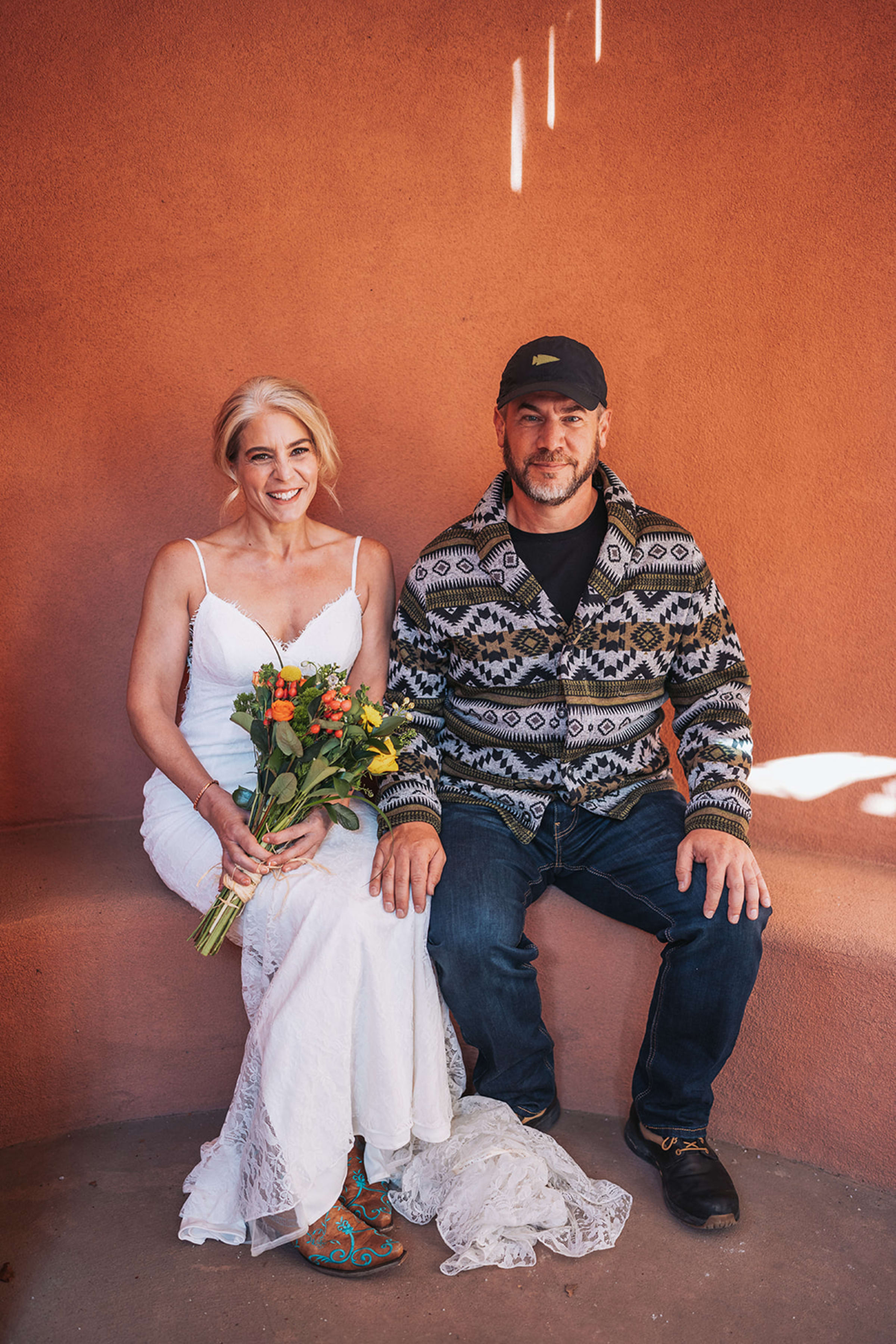
The geography helps too. New Mexico venues tend to be spread out, with ceremony sites, reception areas, and portrait locations that are physically separated. When you have two vendors, that means coordinating movements, splitting the couple's time, and occasionally missing moments because one person was set up at the wrong location. With one hybrid shooter, I'm always where the moment is happening.
What You Get: Deliverables
Here's what hybrid wedding coverage includes:
Photography: 500-800+ individually color-graded images delivered through an online gallery with full download rights. No batch presets. Every image is edited to match the cinematic, film-grain quality that defines my work.
Video: A 3-5 minute highlight reel that tells the story of the day — ceremony, portraits, reception, and the in-between moments that make your wedding yours. Full ceremony video is available as an add-on. All footage is color-graded to match the photo gallery, so the two feel like a single body of work.
Turnaround: Photos in 4-6 weeks, highlight reel in 6-8 weeks.
The Cost Question
Hiring a photographer and a separate videographer for a New Mexico wedding typically runs $5,000-$12,000 combined. Hybrid coverage starts at $6,500 for full-day photo and video — which means you're getting both for less than most couples pay for two separate vendors, and the results are more cohesive.
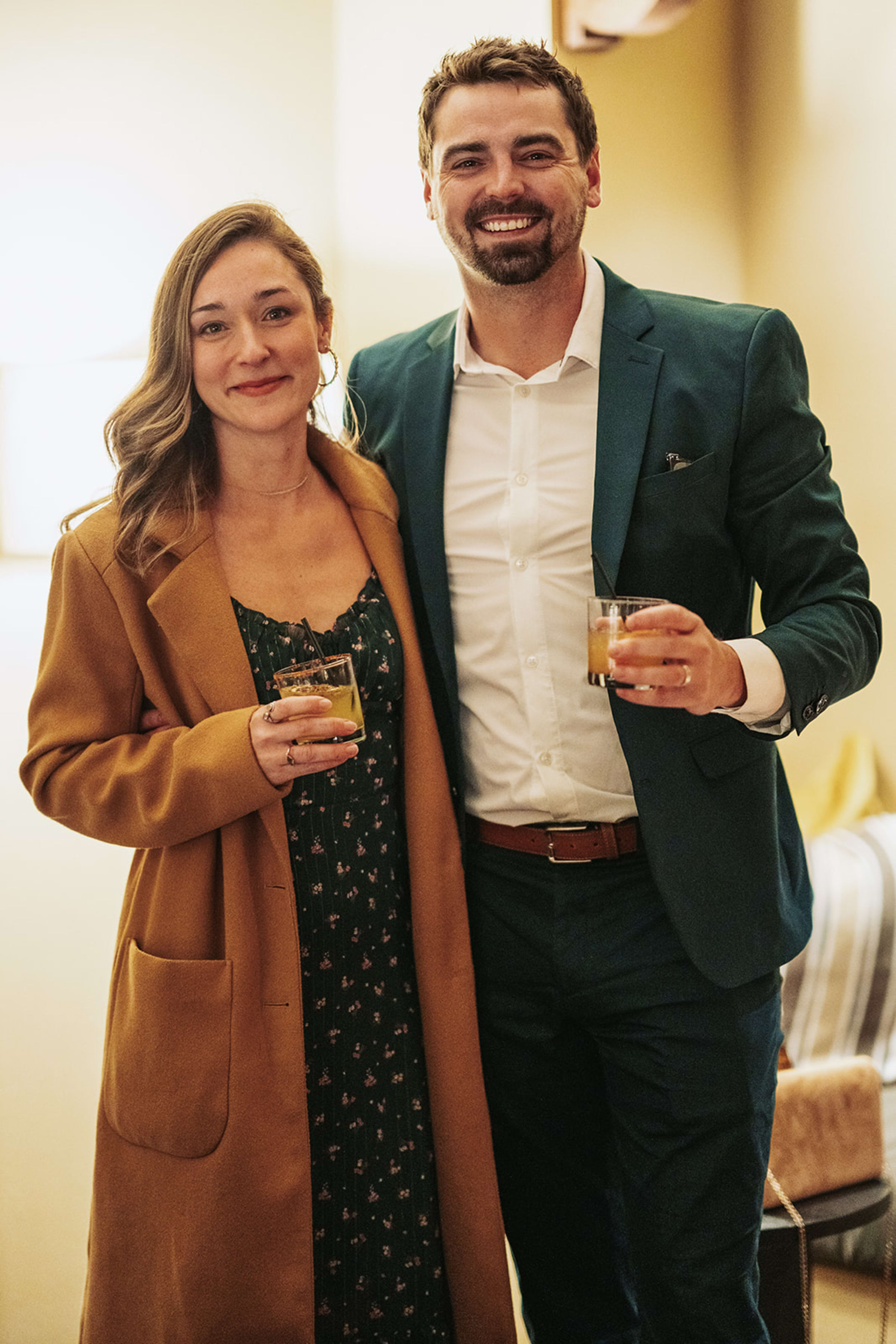
Elopement packages with hybrid coverage start at $2,500. If you're eloping in Santa Fe, Taos, or anywhere in Northern New Mexico, a highlight reel of your day is worth having. Elopements move fast — typically two to four hours — and video fills in the gaps between still frames in a way that matters when you're watching it back years later.
Venues Where Hybrid Coverage Shines
I've shot hybrid photo and video at most of the major wedding venues in New Mexico. A few that particularly reward the format:
Bishop's Lodge — The cottonwood grove, the chapel, the terrace at sunset. The property has so many distinct environments that video gives you a sense of moving through the space that photos alone can't replicate.
Four Seasons Rancho Encantado — The Sangre de Cristo mountain backdrop in motion is something else. Wind, clouds, light shifts — all of it reads on video in a way that deepens the still images.
La Fonda on the Plaza — The rooftop ceremony with the Cathedral Basilica in the background works in both mediums. The downtown Santa Fe energy during a cocktail hour translates better in motion.
Ghost Ranch — Red rock, open sky, and silence. An elopement at Ghost Ranch filmed in 4K is the kind of content that makes people want to get married in New Mexico.
El Monte Sagrado, Taos — The Sacred Circle and the mountain backdrop are cinematic by nature. Hybrid coverage here feels less like a choice and more like the obvious approach.
Related Reading
How to Book
I photograph and film weddings, elopements, and events throughout New Mexico — Santa Fe, Albuquerque, Taos, and everywhere in between. If you're planning a wedding and want photo and video from someone who knows the venues, knows the light, and delivers both in a single cohesive package, reach out.
Booking inquiries: addasonphoto.com/contact
Portfolio: addasonphoto.com
Currently booking for 2026 and 2027. Peak season dates (May through October) fill early — I'd recommend reaching out 6-12 months ahead.
