

Tent Rocks Elopement Photographer Santa Fe
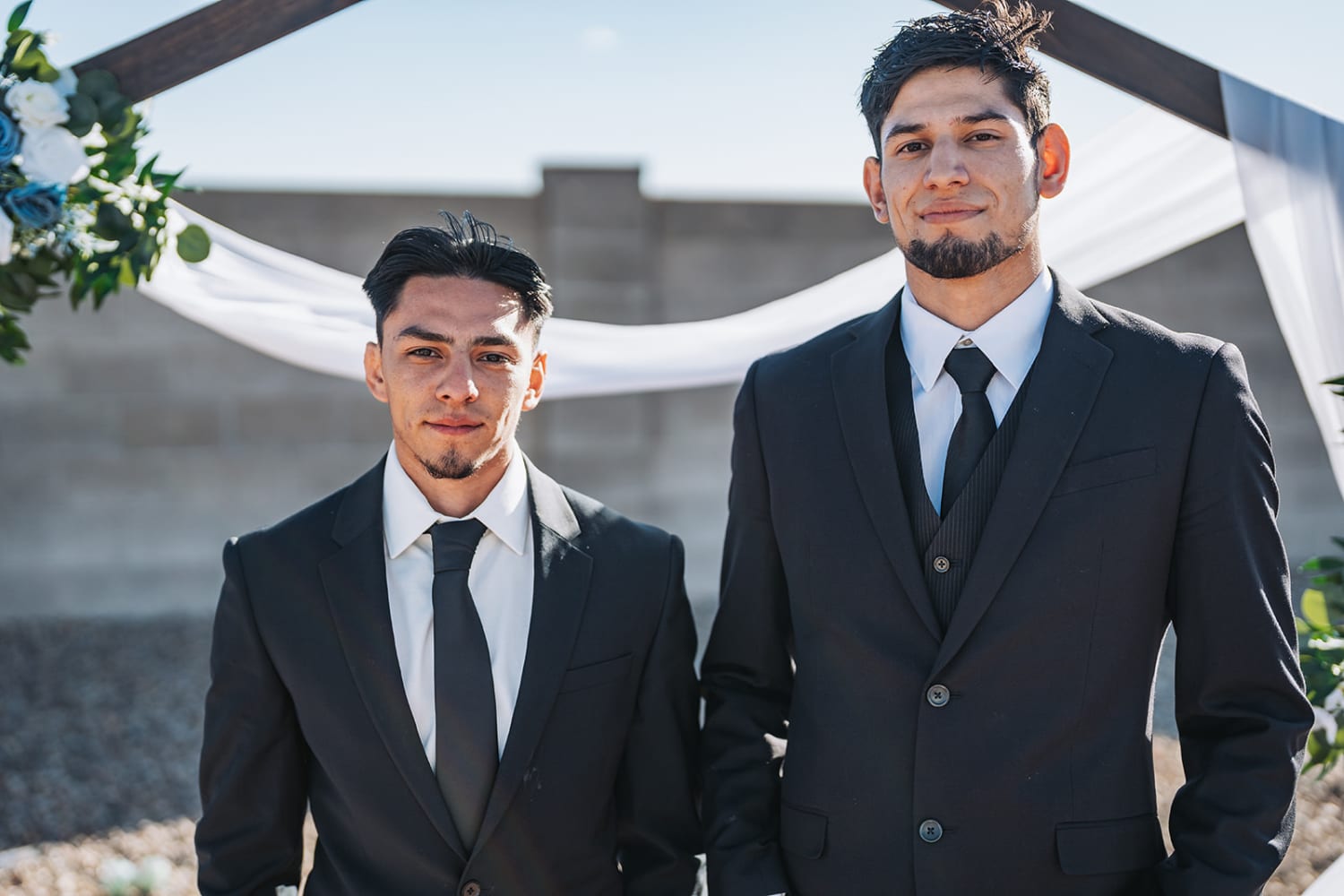
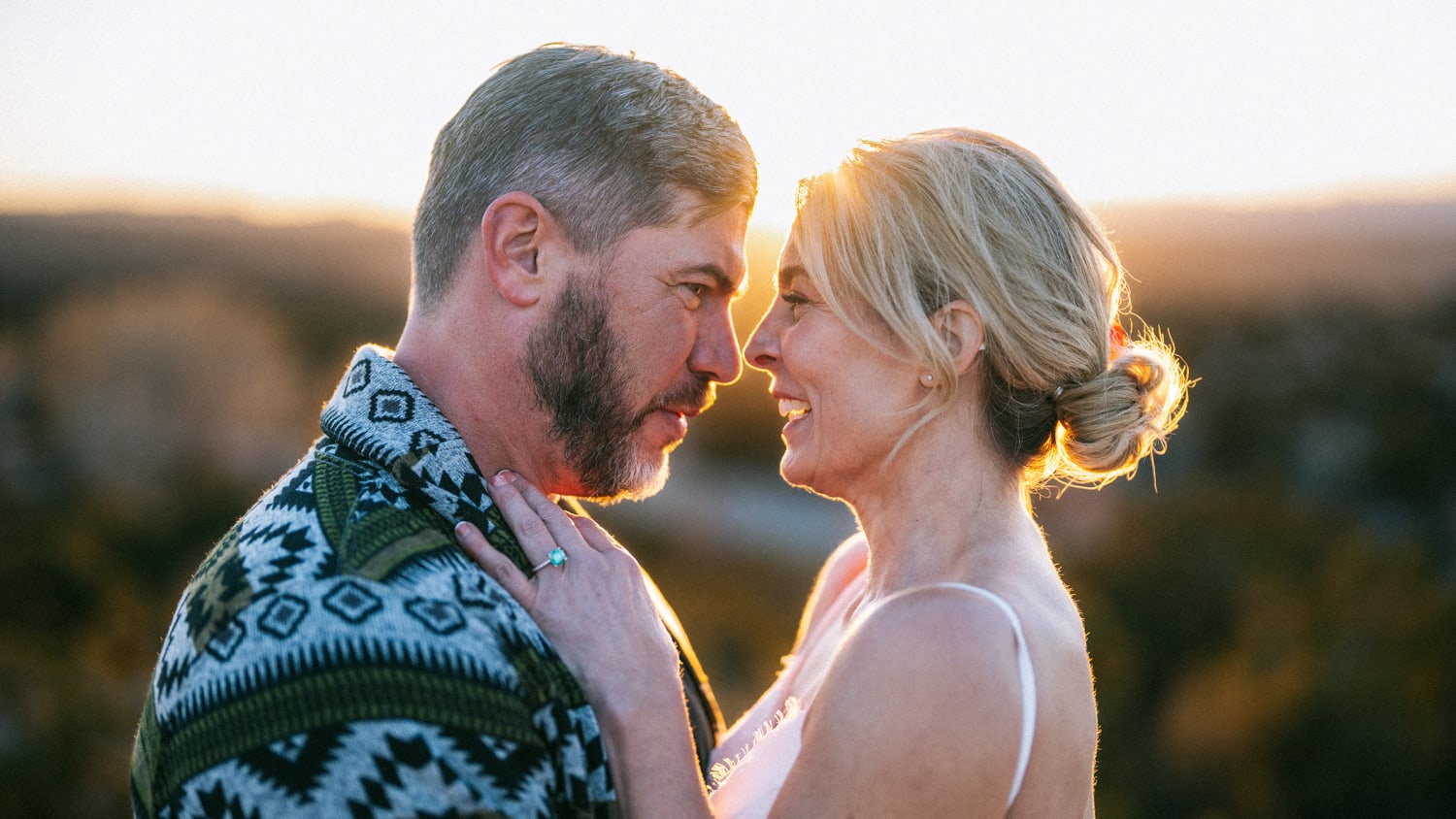
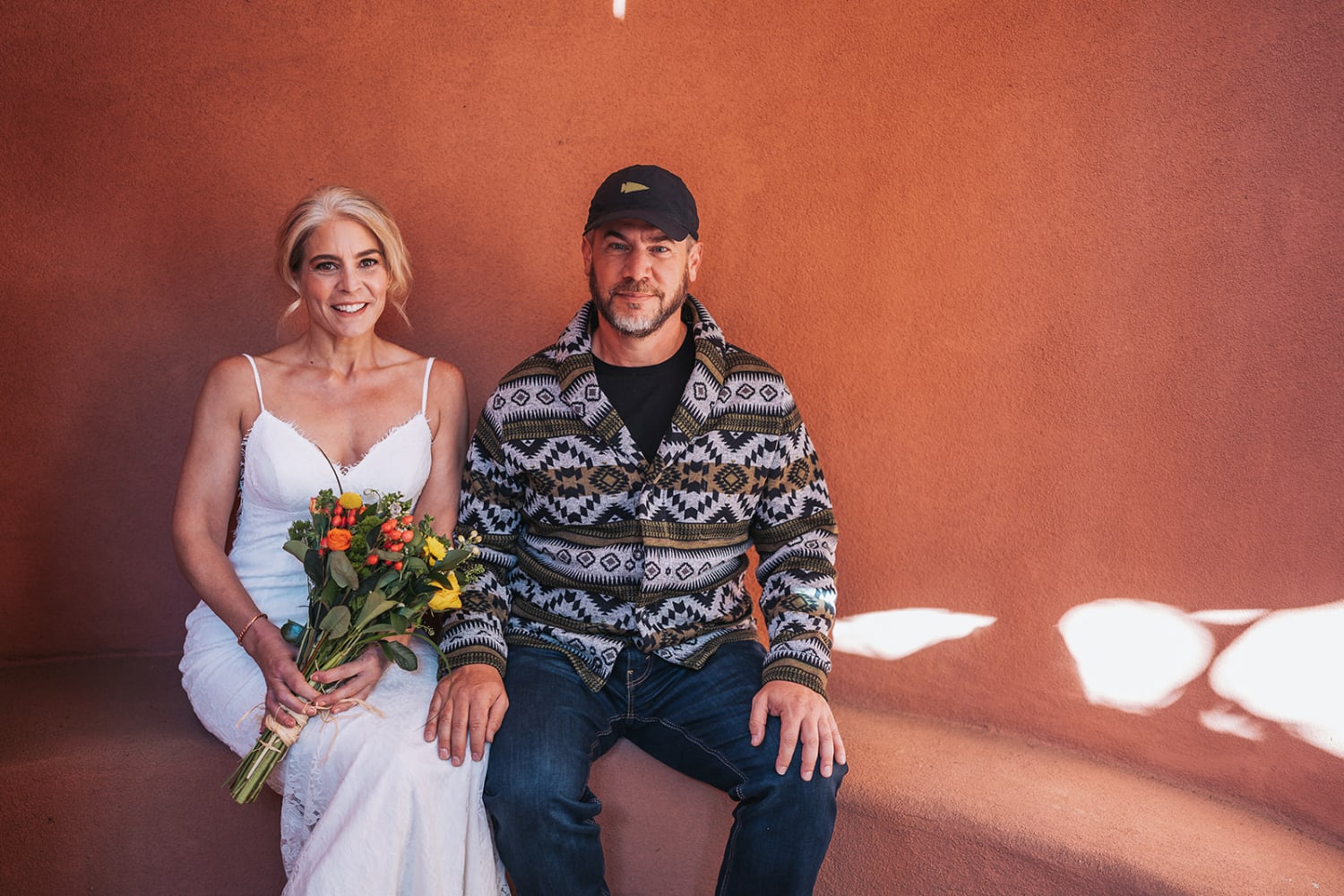
I have photographed multiple events at Tent Rocks in Cochiti, and the property consistently delivers something worth photographing. The images below are from different sessions to show the range of what this venue offers.




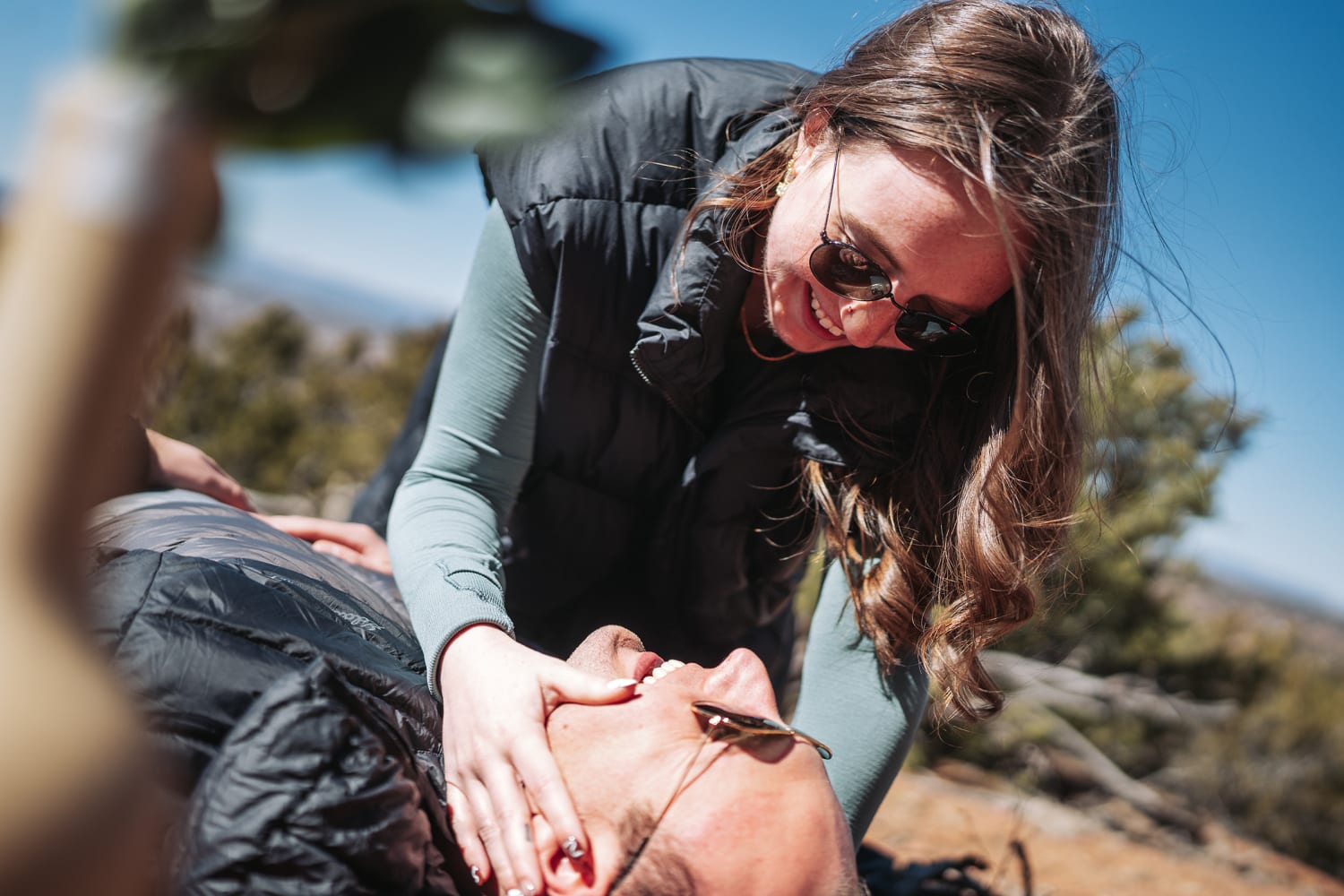
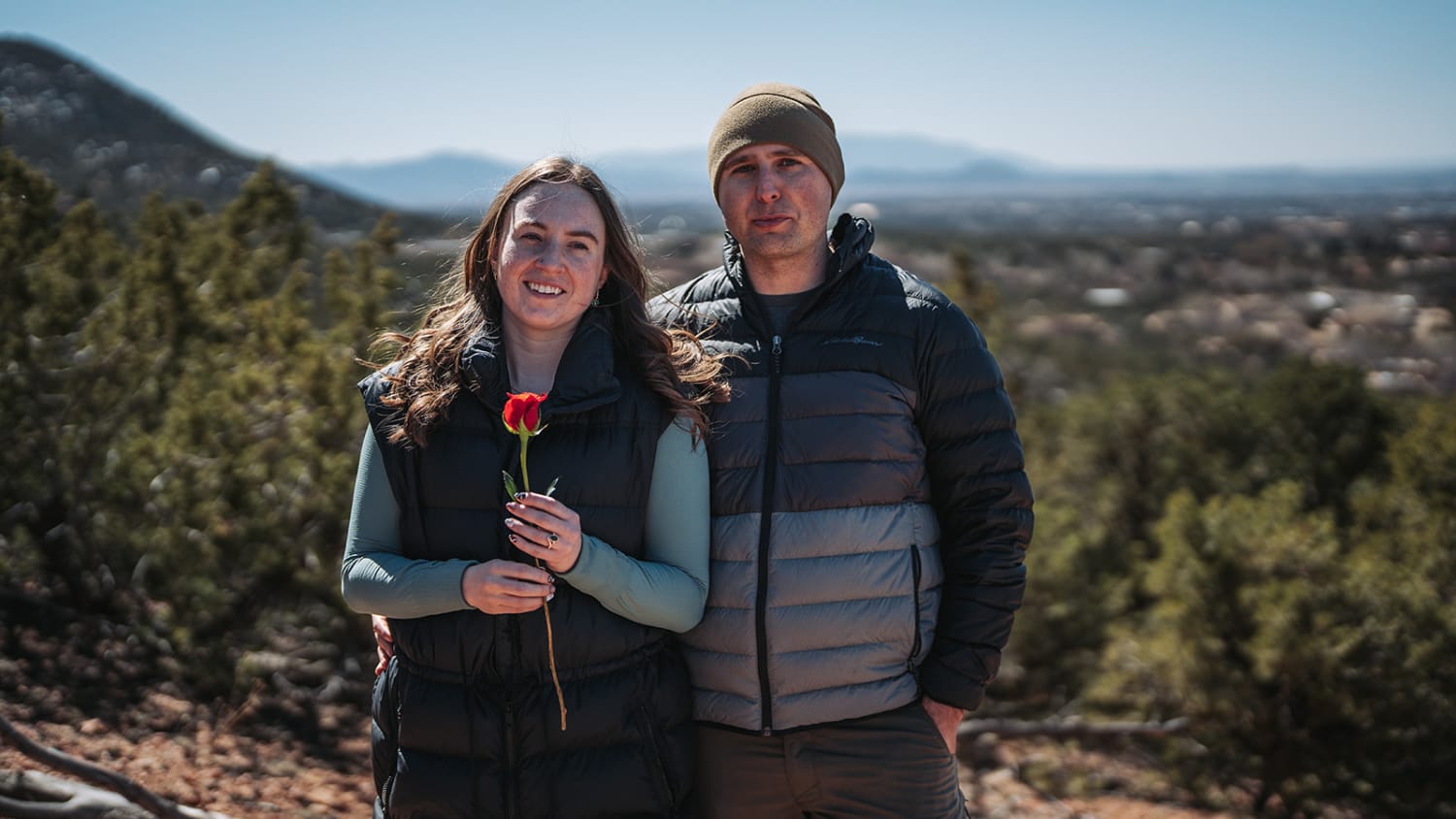
Kasha-Katuwe Tent Rocks: The Location
Tent Rocks — formally Kasha-Katuwe Tent Rocks National Monument — sits about 40 miles southwest of Santa Fe on the Cochiti Pueblo, managed jointly by the Bureau of Land Management and the Pueblo. The cone-shaped volcanic rock formations that give the monument its name are the result of a volcanic eruption approximately 6-7 million years ago. The pumice, ash, and tuff deposited by that eruption eroded over millennia into the stacked cones visible today: some just a few feet tall, others rising 90 feet above the canyon floor. Nothing in New Mexico looks quite like this, and nothing in wedding photography looks quite like elopement images made here.
Access to the monument requires a permit for elopement and portrait photography, obtained through the Cochiti Pueblo's tribal office. This requires advance planning — typically 30 or more days ahead of the date. I handle the coordination for clients booking Tent Rocks sessions, which includes confirming current permit availability and communicating the Pueblo's policies for on-site conduct. The permit process is real, and it's necessary, and it's worth it.
Photography Conditions at Tent Rocks
The canyon trail at Tent Rocks runs through a slot canyon section before opening into the broader volcanic terrain. Light in the slot section is controlled and diffuse regardless of time of day — the walls are close enough that direct sun doesn't reach the canyon floor except near midday. This makes the slot a reliable backdrop across a wider window than most outdoor locations offer. The open sections of the canyon have more variable light, and the rim hike above the formations provides a wide-angle view of the cones and surrounding terrain that's best at golden hour when low-angle sun catches the formation tips and shadows define the vertical texture.
The colors at Tent Rocks are a specific palette: pale tan and white pumice, beige tuff, occasional iron-stained reds in the rock layers. That palette works exceptionally well with both white bridal attire (high contrast against the warm stone) and earth-tone casual wear (which blends more cinematically into the setting). I've seen both approaches produce strong images at this location. The determining factor is usually what the couple is most comfortable wearing for a trail session involving loose rock and uneven terrain.
What a Tent Rocks Elopement Looks Like
A typical Tent Rocks elopement session runs 2.5 to 3.5 hours. The trail into the canyon is approximately 1.5 miles one-way with about 630 feet of elevation gain to the rim viewpoint. Most couples do the canyon floor and slot section on the way in, rest at the rim viewpoint, and take a different route out. The ceremony usually happens somewhere in the canyon or at the rim — wherever the couple decides to stop and exchange vows. I don't direct the ceremony location in advance; we walk the trail and the couple chooses the moment and the place when they see it.
Groups should be small: the permit structure at Tent Rocks is oriented toward elopements and intimate sessions, not large wedding parties. For couples bringing one or two family witnesses, the trail accommodates this. For anything larger, a different location is a better fit. The monument closes at 5 PM in winter and 7 PM in summer — timing matters for golden hour access, and the last entry typically cuts off 2 hours before close.
Getting to Tent Rocks from Santa Fe
The drive from Santa Fe to the Tent Rocks monument entrance is approximately 45 minutes, mostly south on I-25 toward Albuquerque and then west through the Cochiti Pueblo. I typically recommend arriving 30 minutes before our planned start time to allow for parking, gear check, and the short walk from the lot to the trail entrance. On busy weekends in spring and fall, the monument parking lot fills early — arriving before 9 AM or after 2 PM avoids the peak midday congestion.
Temperature in the canyon can be 10-15 degrees warmer than Santa Fe on sunny days because of heat radiating from the rock walls. In late spring and summer, afternoon thunderstorms are common in New Mexico, and the slot canyon section is not a safe place to be during lightning activity. I monitor weather closely for canyon sessions and have rescheduled Tent Rocks sessions due to afternoon storm risk. This is a standard precaution, not an unusual occurrence in New Mexico summer months.
Why Tent Rocks Produces Images You Can't Make Anywhere Else
The specific visual language of Tent Rocks is irreplaceable: the cone formations are the kind of geological feature that photographers travel across the country to work in, and they are 45 minutes from downtown Santa Fe. Couples who elope here are making photographs that cannot be mistaken for any other venue — the setting is too specific, too unusual, and too visually distinct to be genericized. That specificity is the value. Twenty years from now, when you look at the images, you will know exactly where you were, and what it felt like to stand in that canyon and say what you meant to say.
I've photographed elopements and portrait sessions at Tent Rocks across multiple seasons and conditions. The canyon performs differently in each. Fall is the most reliably beautiful in terms of light and temperature. Spring is muddy after snowmelt but offers the most saturated blue sky against the pale formations. Summer requires early morning timing to avoid afternoon heat and storm risk. I can advise on timing based on the couple's priorities and the date they have in mind.
If you are planning a wedding at Tent Rocks and want a photographer who already knows the light, the layout, and the moments that matter, get in touch. I would love to hear what you have in mind.
Casey Addason is a Santa Fe wedding photographer covering weddings, events, and portraits across New Mexico — photo and video. View portfolio | Contact
