
Tree of Life, Kalaloch: A Destination Photographer at Washington's Wild Edge
Tree of Life, Kalaloch: A Destination Photographer at Washington's Wild Edge
There are places that don't need decoration. Places where the land itself sets the scene so completely that the job of a photographer shifts — from building a frame to simply getting out of the way of one. The Tree of Life at Kalaloch, Washington is exactly that kind of place. When I traveled to the Olympic Peninsula to photograph here, I understood within the first ten minutes why couples are willing to travel to the edge of the continent to say their vows beneath this tree. As a Tree of Life: Kalaloch, Washington photographer, I've worked across extraordinary venues — Bishop's Lodge in the Sangre de Cristos, Four Seasons Santa Fe under open New Mexico skies — but Kalaloch is something else entirely. It operates on its own terms.
What the Tree of Life Actually Is — and Why It Matters for Photography
If you haven't seen it in person, the Tree of Life is a Sitka spruce that clings to an eroding bluff above Kalaloch Beach on the Washington coast. Its root system is almost entirely exposed — the soil beneath it has been carved away by the creek and the tides over decades — and yet the tree stands, and it flowers, and it refuses to fall. It is simultaneously the most improbable and the most symbolic natural formation I've encountered anywhere.
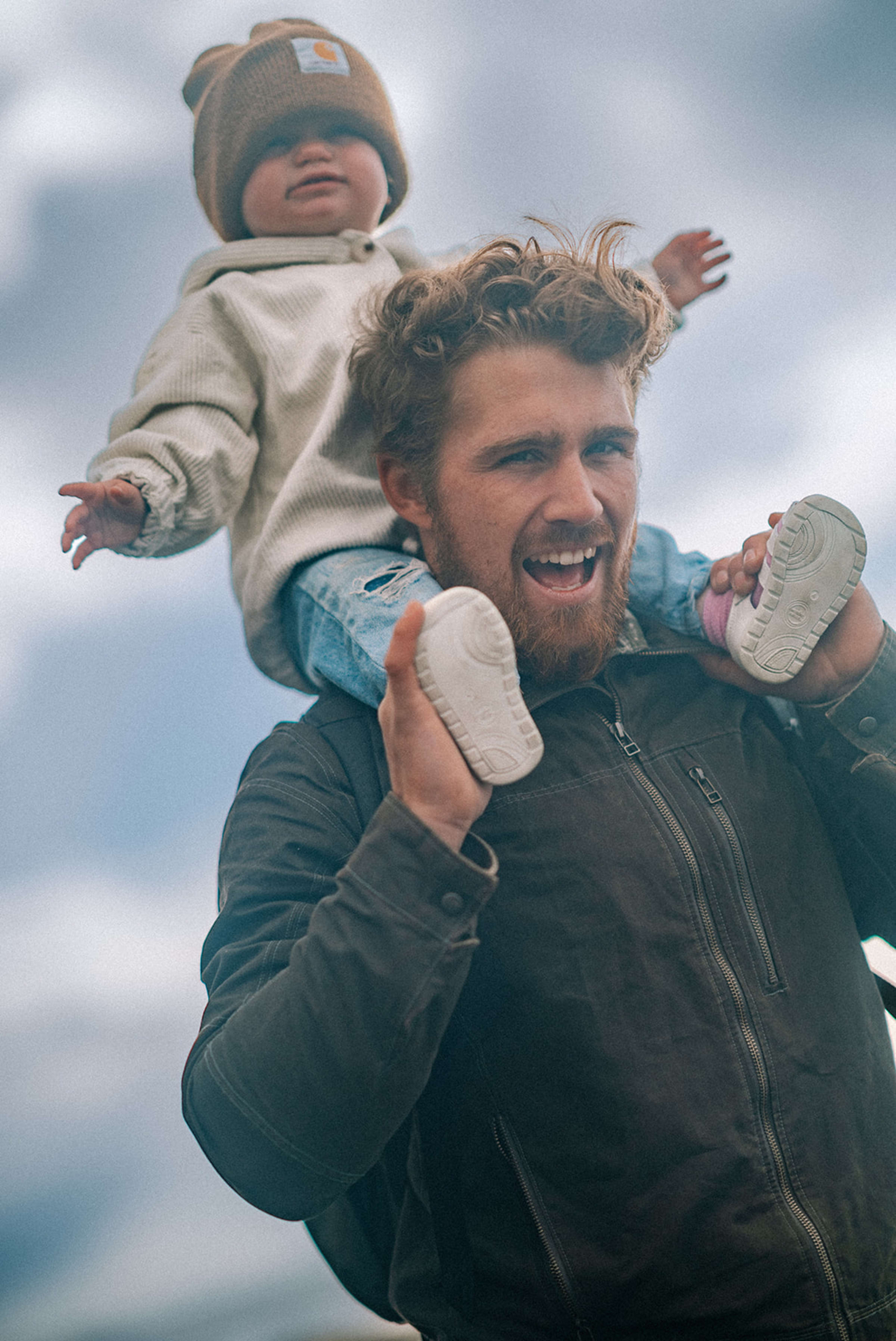
From a photographic standpoint, this creates something you almost never find: a subject with genuine visual tension built in. The roots arch over a hollow — a cave of sorts — and the Pacific sits in the middle distance, silver or steel or gold depending on the hour. There is depth in every direction. The foreground is ancient root and shadow. The background is open ocean. Between them, you place two people, and the image makes itself.
The light on the Olympic Peninsula is not the warm, saturated desert light I work with regularly in New Mexico. It is diffuse, coastal, often overcast in a way that flattens harsh shadows and gives skin an almost luminous quality. On clear days — and they do come — the late afternoon sun cuts through from the southwest and catches the root structure from below, throwing long raking shadows across the bluff that add texture to every frame. Either condition works. The overcast version is moody and intimate. The clear version is cinematic and vast. The Tree of Life earns its keep in both.
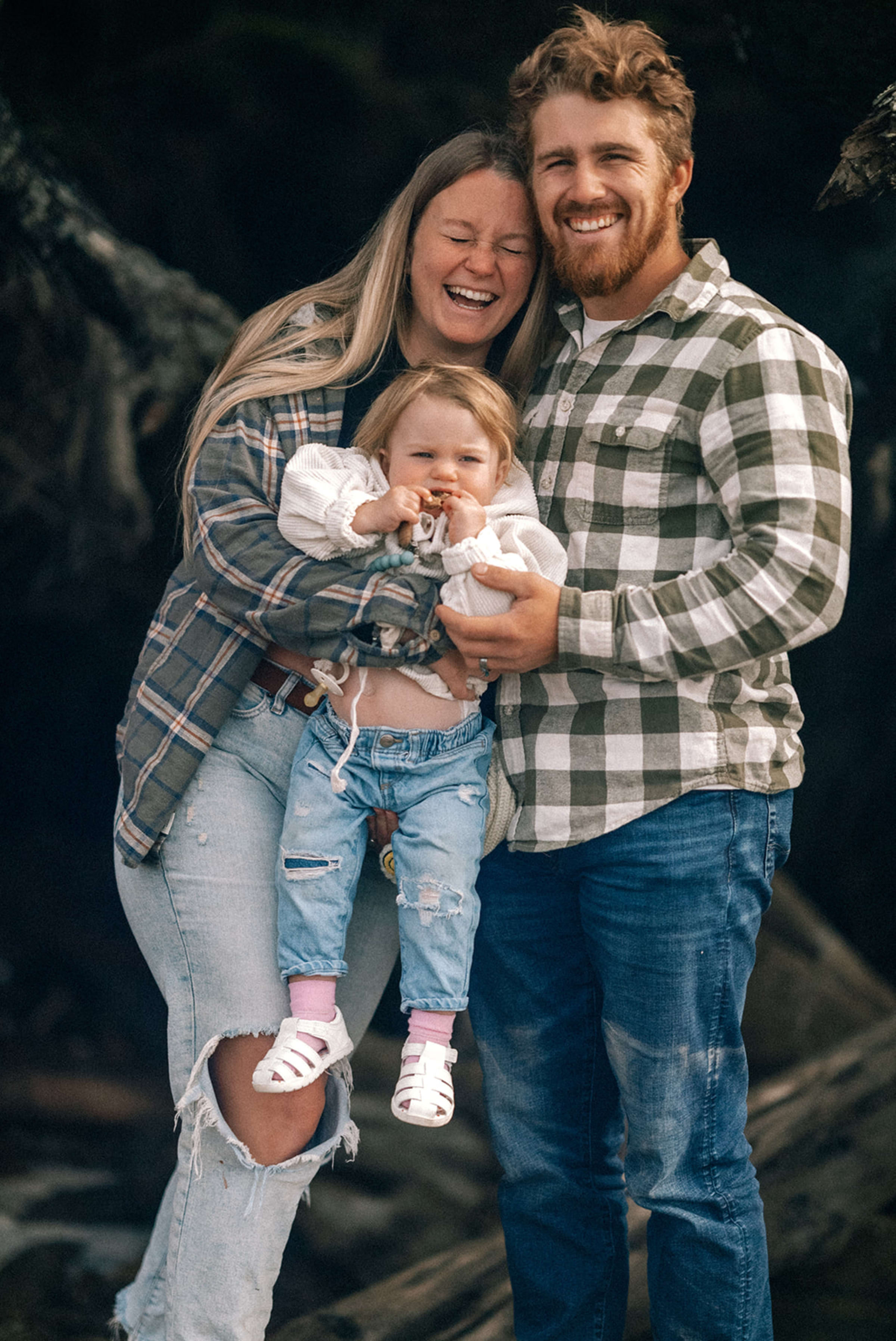
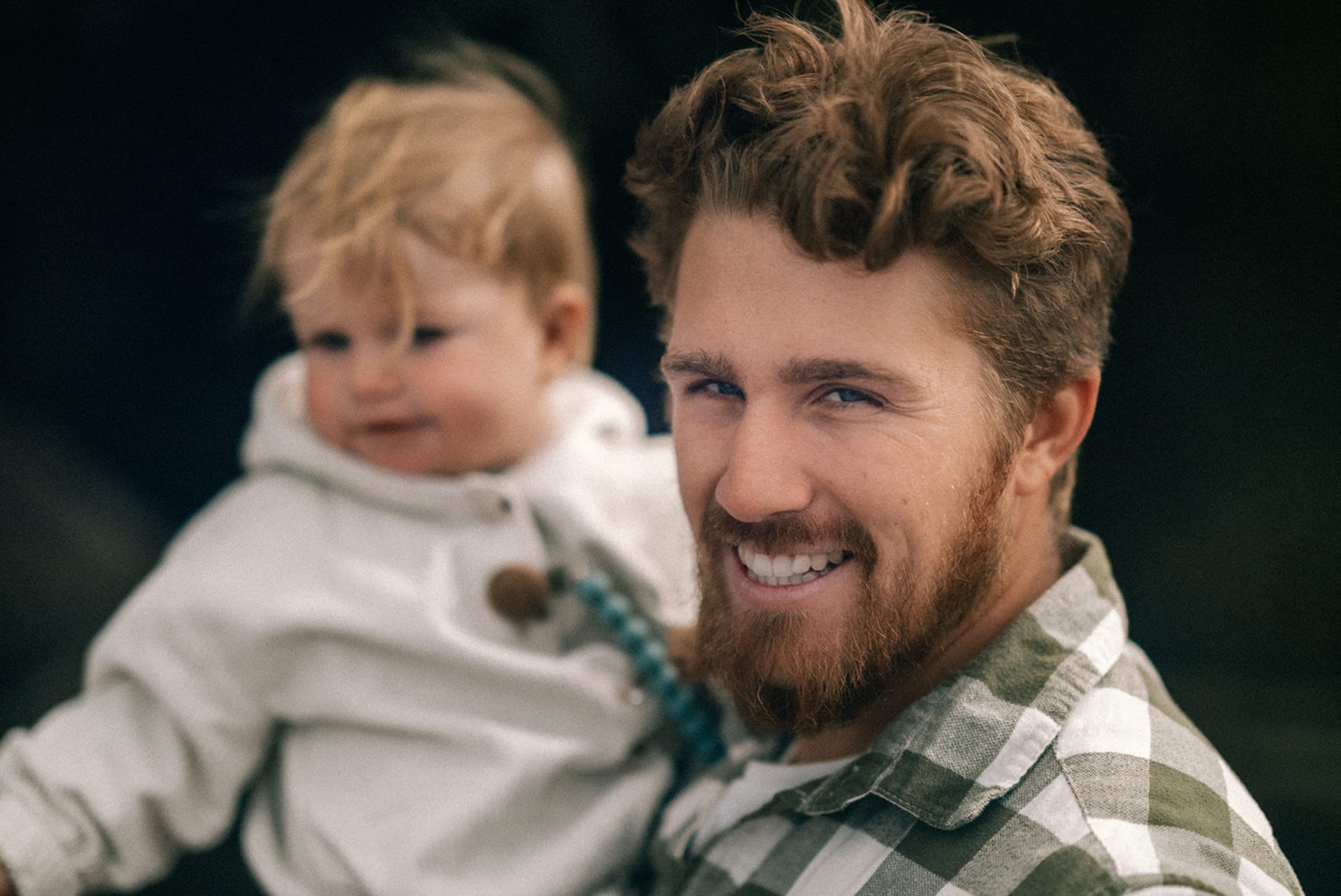
The Ceremony, the Portraits, and the Particular Logic of This Location
Weddings here are almost always intimate by necessity. The bluff is narrow. The beach below is accessible by a short trail and opens into a long stretch of driftwood-strewn Pacific shoreline. Most couples choose to exchange vows either directly beneath the root canopy — surrounded by the tree's exposed architecture — or on the beach below, with the bluff and the tree visible above them as a backdrop.
The ceremony beneath the roots is the bolder choice, and the more interesting one to photograph. You're working in close quarters, with organic framing on every side. The roots create natural vignettes. The hollow behind the couple adds depth without requiring any additional compositional work. What I look for in those moments are the small things: the way someone's hand tightens before they speak, the way the wind moves through the branches above, the specific quality of attention that settles over people when they're standing somewhere that feels genuinely sacred.
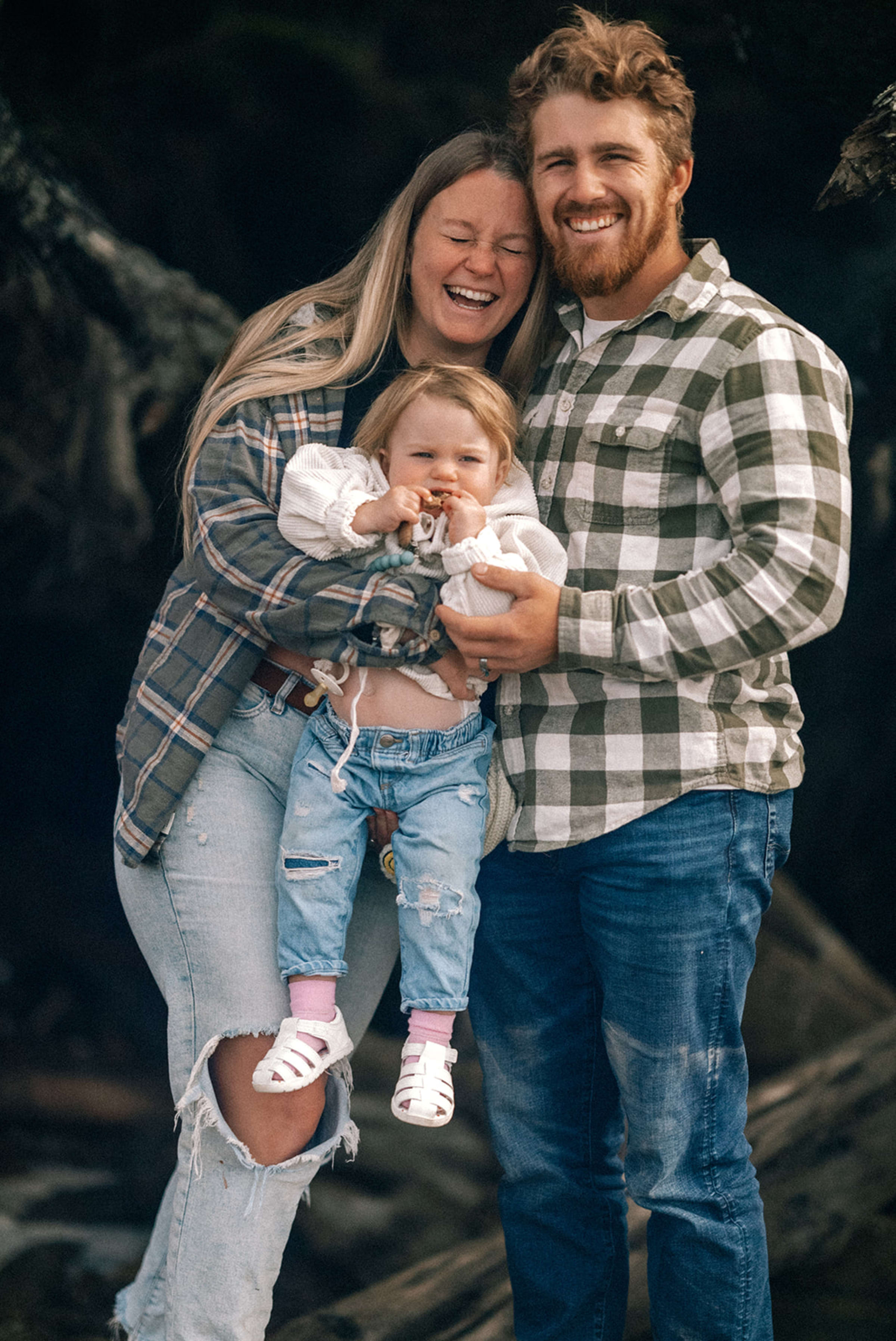
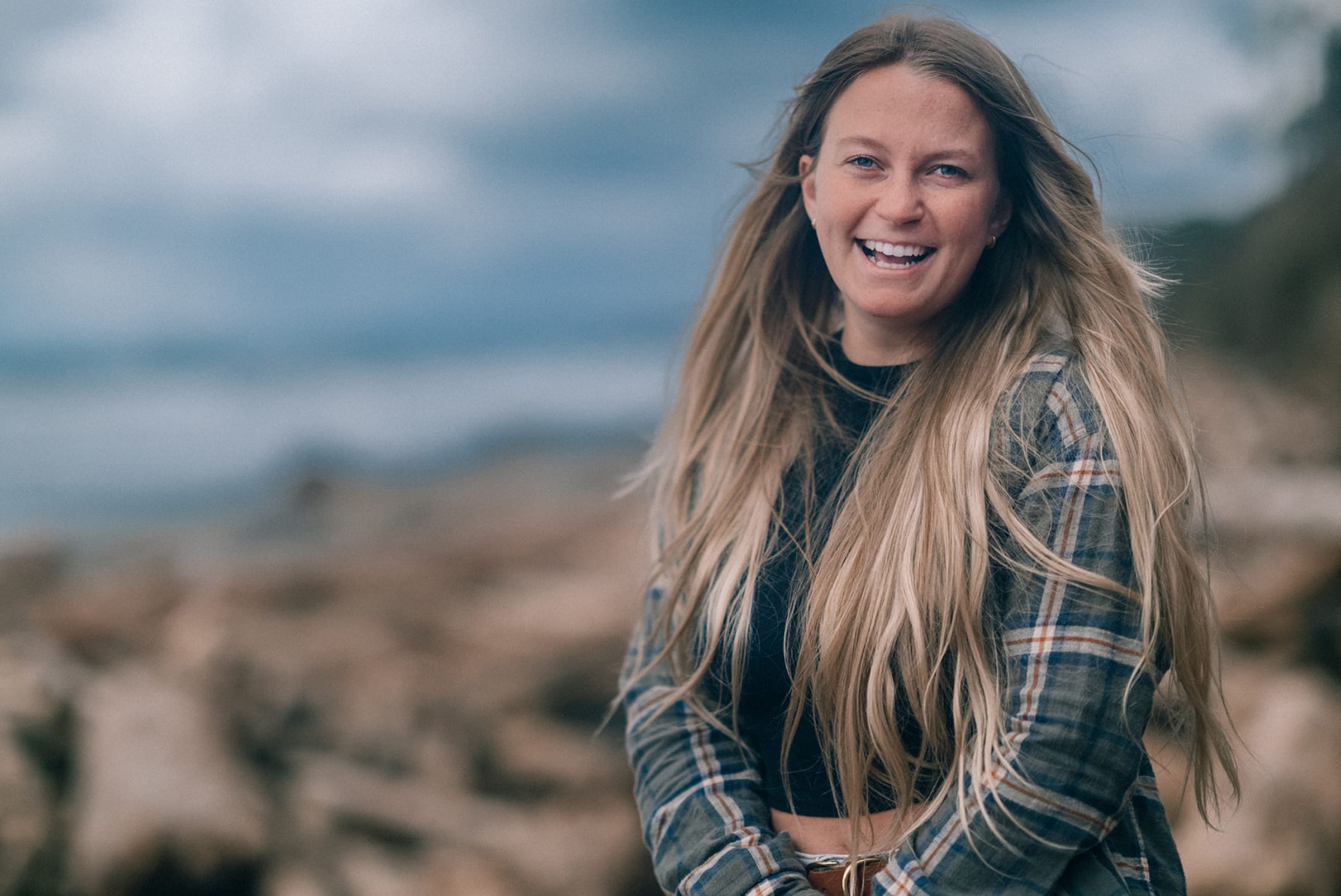
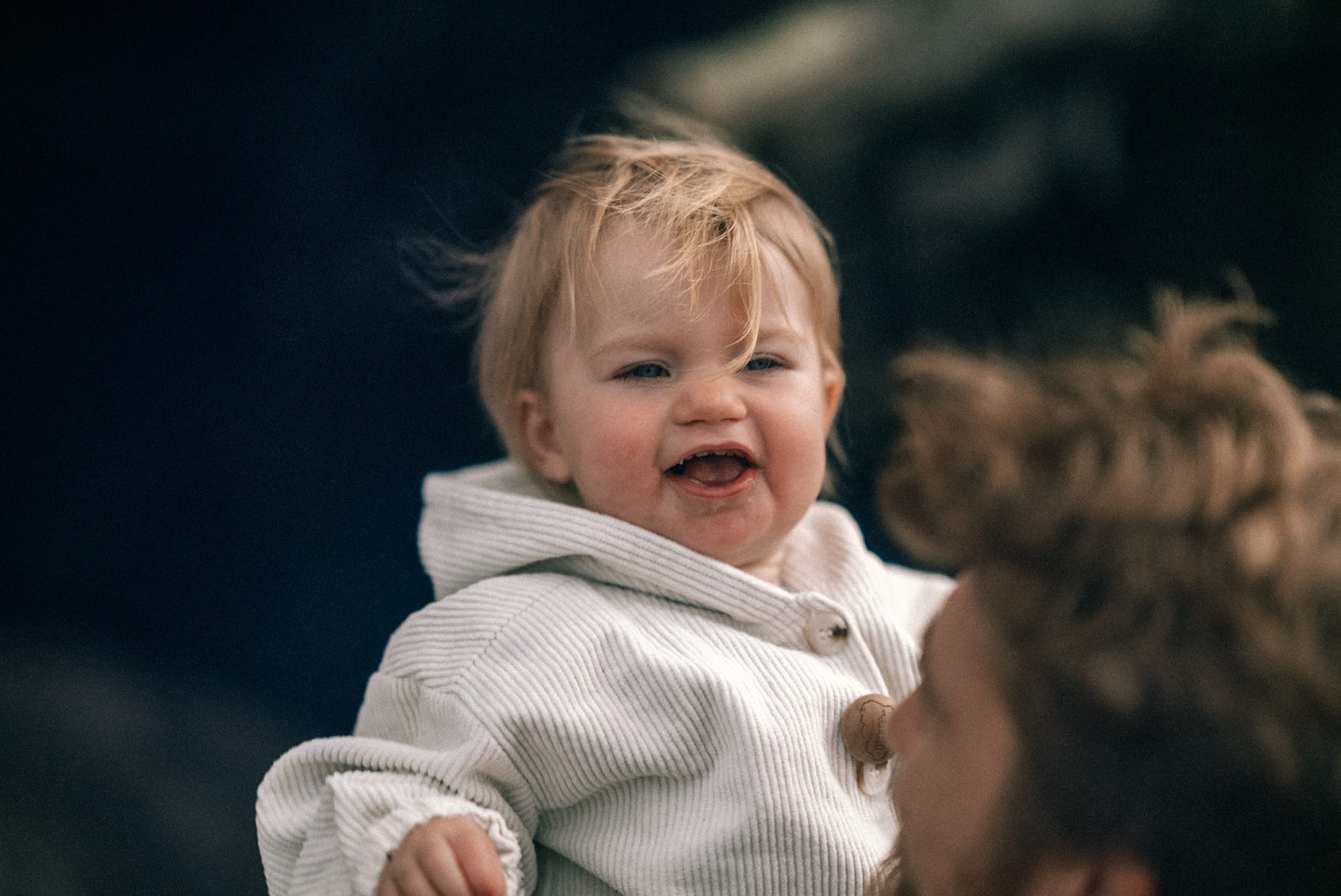
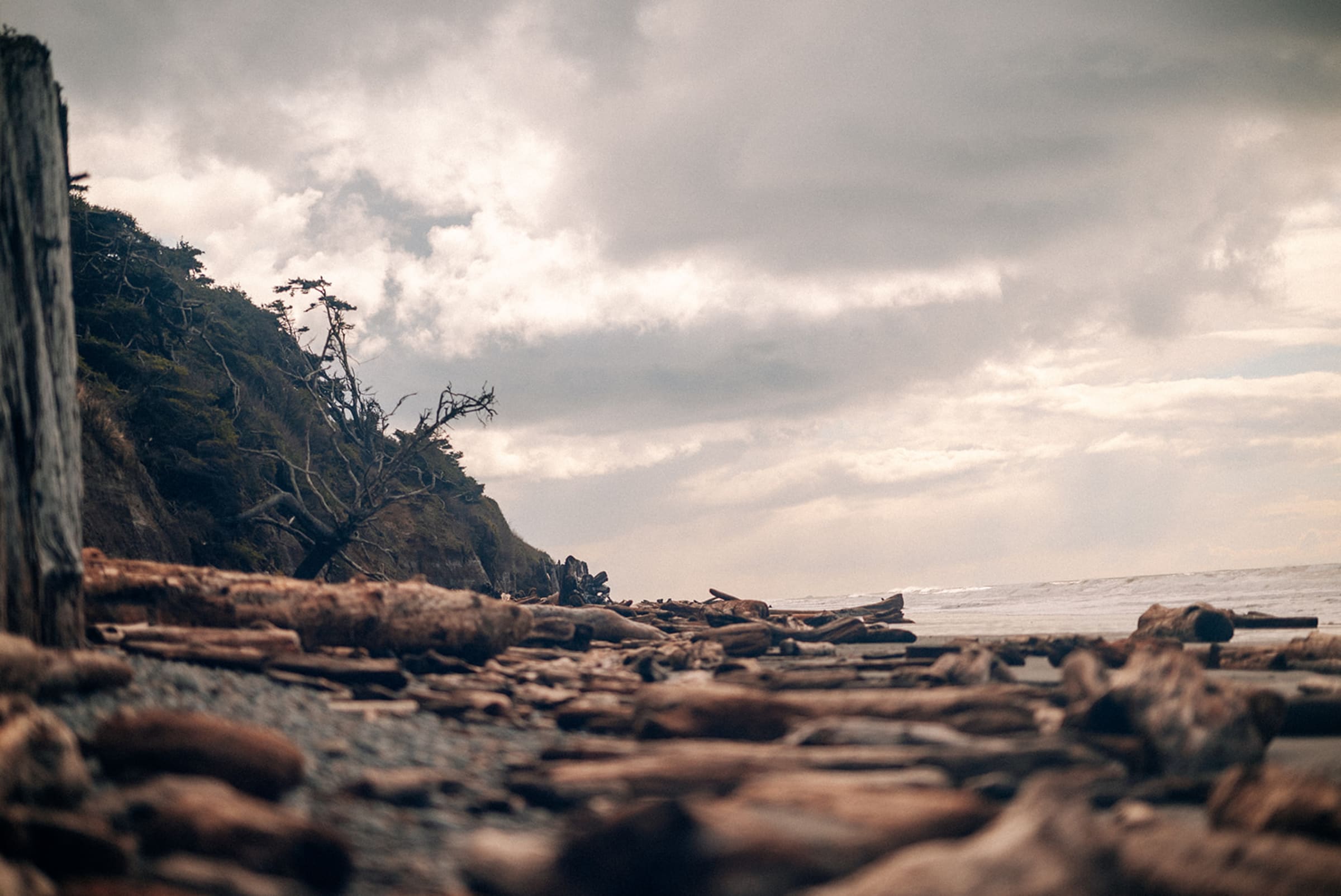
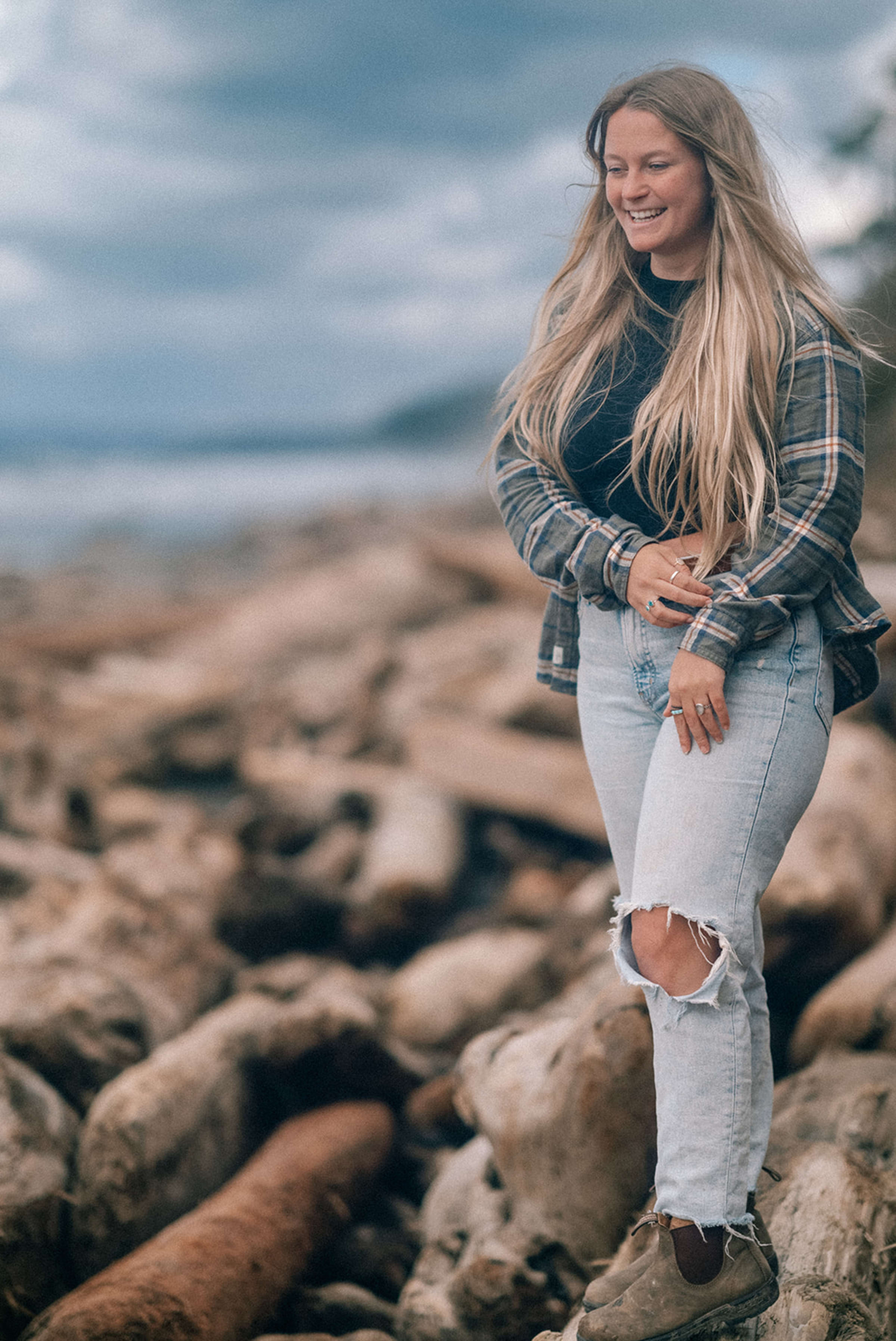
Portrait sessions here extend naturally down to the beach. The driftwood logs are enormous — entire trees, silvered and smoothed by decades of tides — and they create a landscape that feels prehistoric in the best possible way. I tend to move quickly and quietly during portraits, shooting longer and letting couples settle into the place rather than directing them through it. Kalaloch rewards stillness. It rewards couples who are willing to simply be somewhere extraordinary instead of performing for a camera.
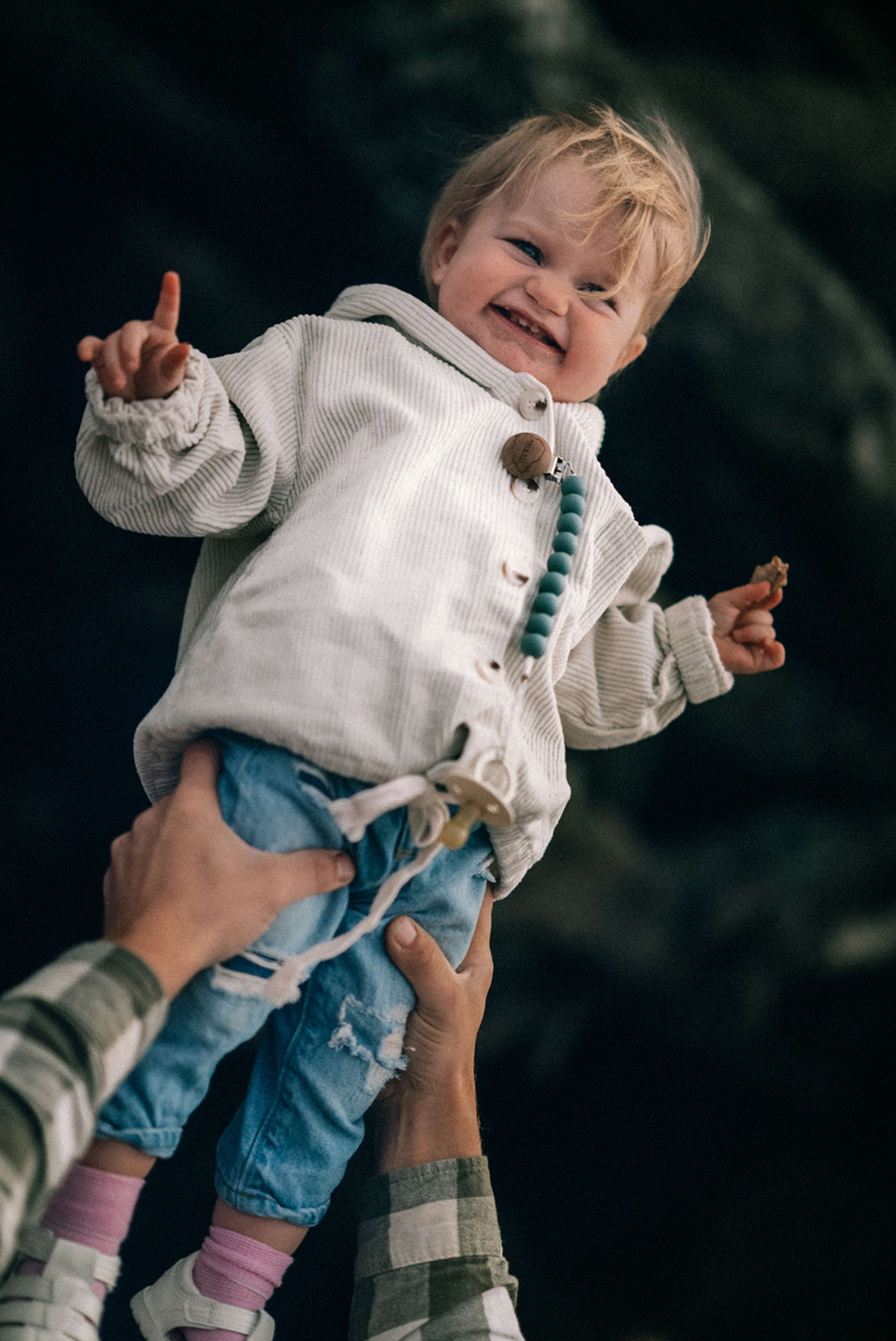
The tide is a real logistical variable. Low tide opens the beach considerably and creates reflections in the sand that are worth planning around. High tide compresses the available space but intensifies the drama of the bluff and the tree above. I recommend building portrait time around a low-to-rising tide window when possible — it gives you the most flexibility and the most light on the sand.
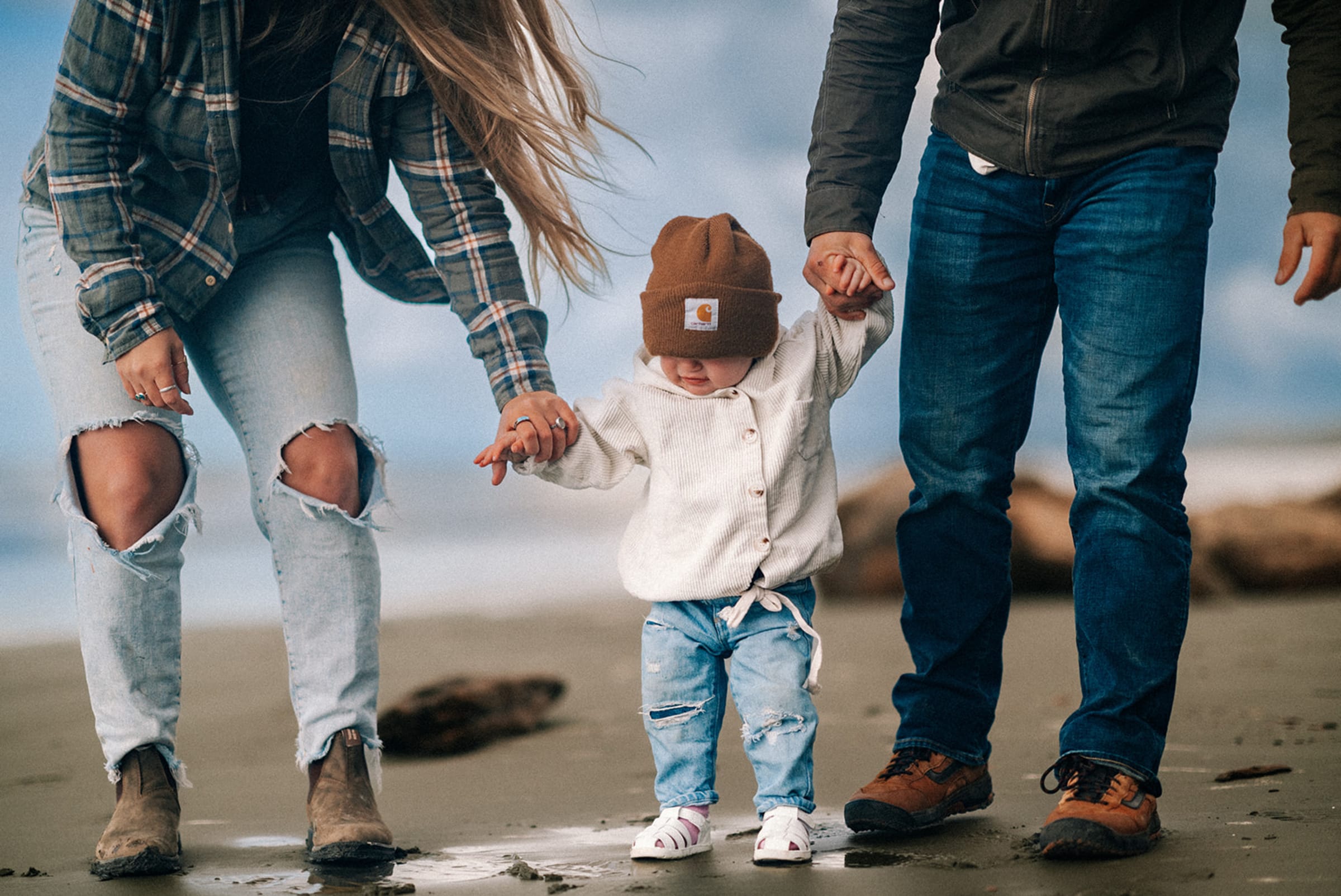
For Couples Considering Kalaloch
This is not a venue with a catering hall and a bridal suite. There are no chandeliers, no manicured gardens, no indoor backup plan if the weather turns. The Kalaloch Lodge is nearby and comfortable, and it handles the practical logistics of gathering people in one place, but the ceremony itself happens outdoors, on a bluff above the Pacific, in whatever conditions the Pacific decides to offer.
That's exactly why the couples who choose it are right. They are not looking for a controlled environment. They are looking for something that will outlast the decor trends and the table arrangements — a day that was genuinely theirs, in a place that demanded something real from them. Those are the weddings I want to photograph.
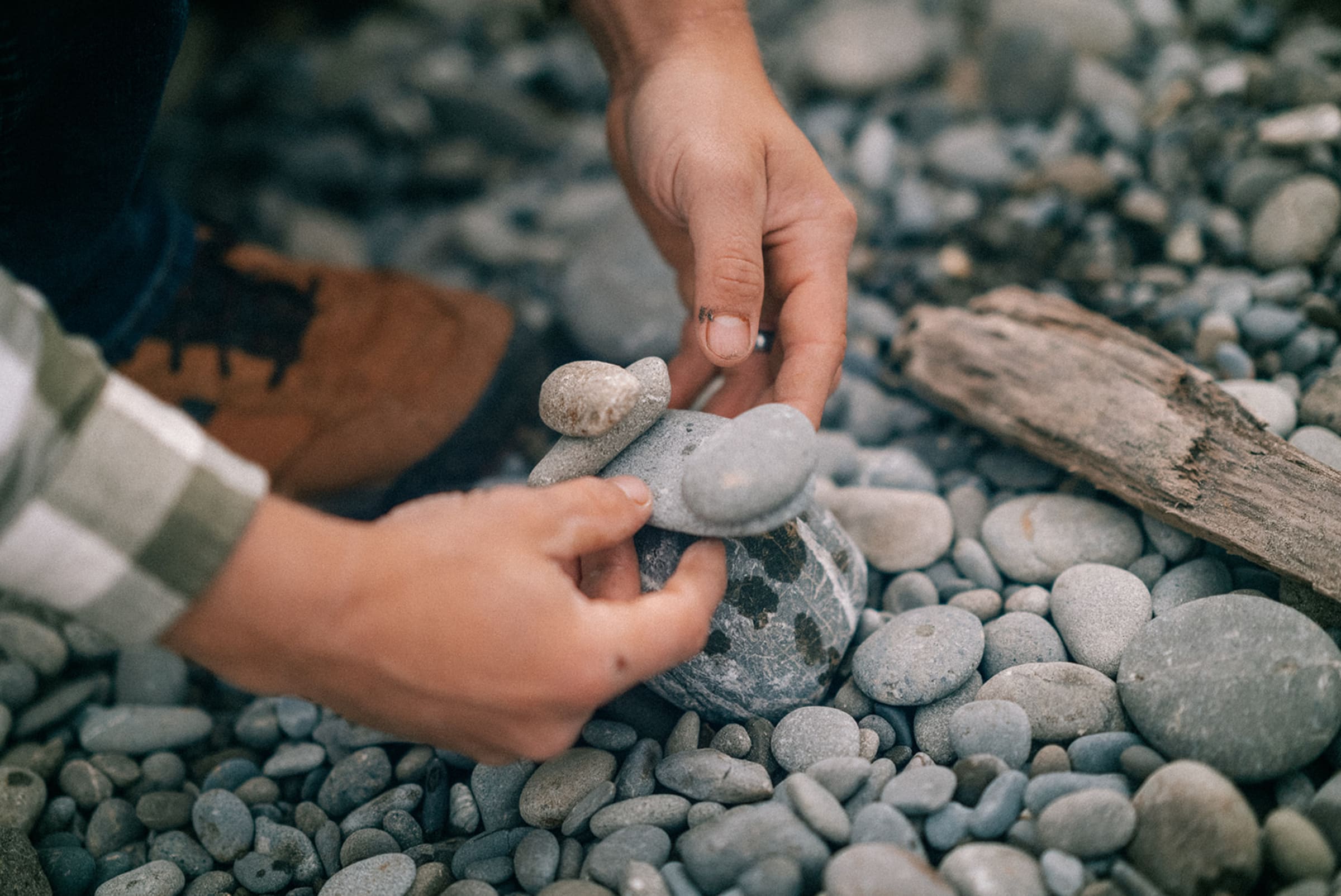
If you're drawn to wild places over formal ones — if New Mexico red rock or Washington coastline speaks to you more than a ballroom — I'd encourage you to look at my portfolio for a sense of how I approach venues that operate on nature's terms rather than an event planner's. The same editorial instincts I bring to a ceremony in the high desert travel with me to the Pacific Northwest. The light is different. The logic is the same.
A Note on Seasonal Timing
The Olympic Peninsula is genuinely unpredictable, and I'd be doing couples a disservice by suggesting otherwise. Summer months — late June through September — offer the best odds of dry weather and the longest days, which gives you more flexibility with portrait timing and golden hour. Spring and fall bring heavier rain and dramatic cloud formations that can be extraordinary on camera. Winter is for the truly committed: the coast empties out, the light goes low and blue, and the tree against a grey Pacific sky is unlike anything else I've photographed.
Whatever the season, the shoot day benefits from an early start. The tree draws visitors throughout the day, and the intimacy of the location depends partly on having it to yourselves. Morning light on the bluff, before the day-hikers arrive, is worth the alarm.
Ready to Start Planning?
Whether you're planning a ceremony at Kalaloch, an elopement somewhere equally remote and considered, or a larger celebration at a destination venue, I'm available to travel. My work is rooted in the American Southwest — Santa Fe, Albuquerque, Austin, Dallas — but the couples and events I've most valued have often taken me somewhere further. Take a look at my services to understand how I approach destination work, then reach out directly.
If this is the kind of photography you're looking for, reach out about what you're planning.
Casey Addason is a Santa Fe wedding photographer covering weddings, elopements, and events across New Mexico — photo + video. Also serving Albuquerque and Taos. View portfolio | Contact
