
Adventure Elopements — Coastal Cliffs and Desert Light
Why Adventure Elopements Produce the Most Honest Photography

I've photographed weddings at Bishop's Lodge, the Four Seasons Santa Fe, and events produced by Van Wyck & Van Wyck — venues where every detail is dialed in and the timeline runs like clockwork. I love that work. But when a couple tells me they're skipping the reception hall and driving to the coast or disappearing into the desert with two witnesses and a bottle of wine, something shifts. The pressure drops. The real stuff comes out. That's why, as an adventure elopement photographer, some of my most honest, most editorial work happens when there's no seating chart, no cocktail hour, and no aunt tapping a microphone.
This post is for the couples who already know they don't want a traditional wedding — they just need to know what's possible, and whether the photography can keep up. It can. Here's how I approach it.
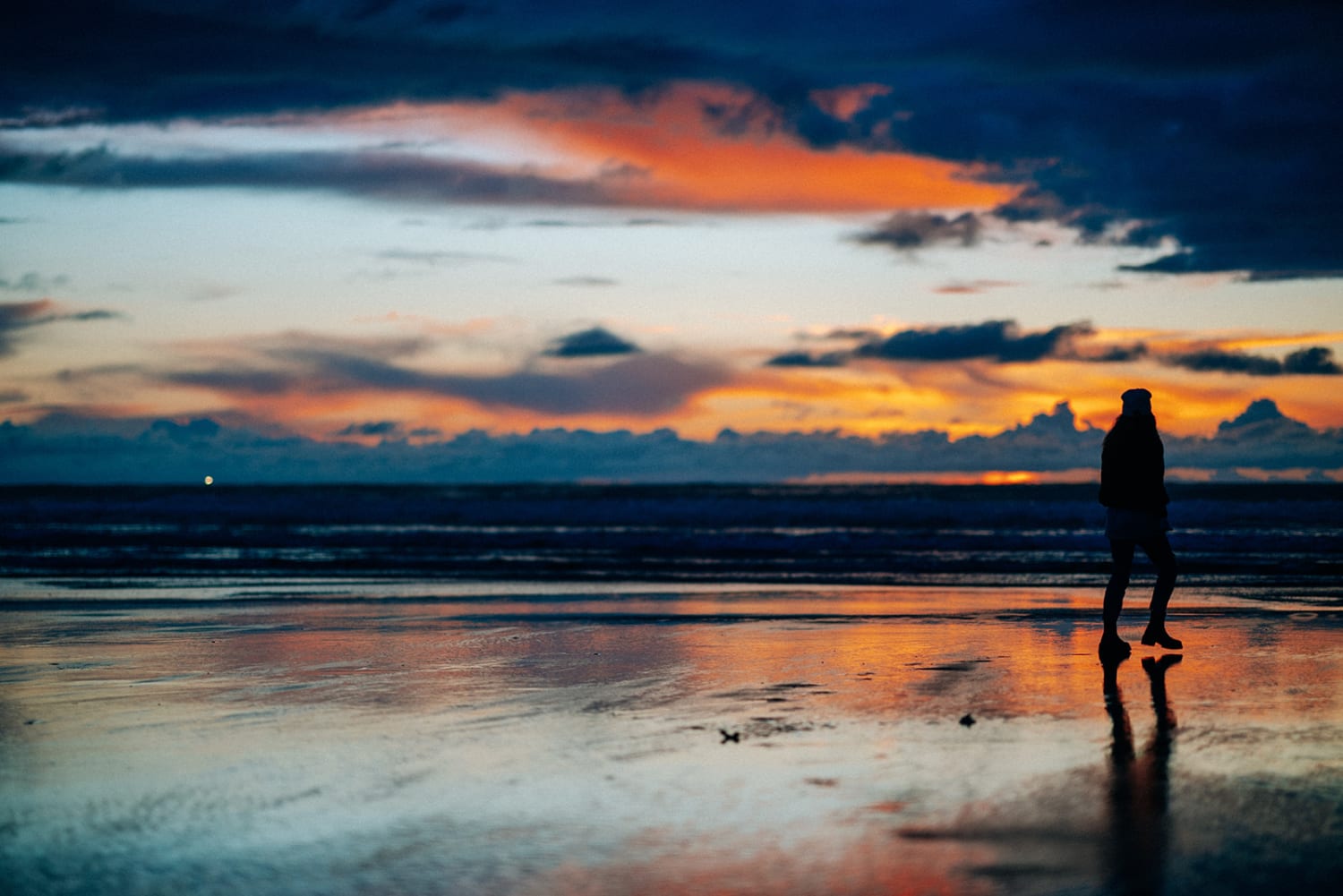
What "Adventure Elopement Photographer" Actually Means in Practice
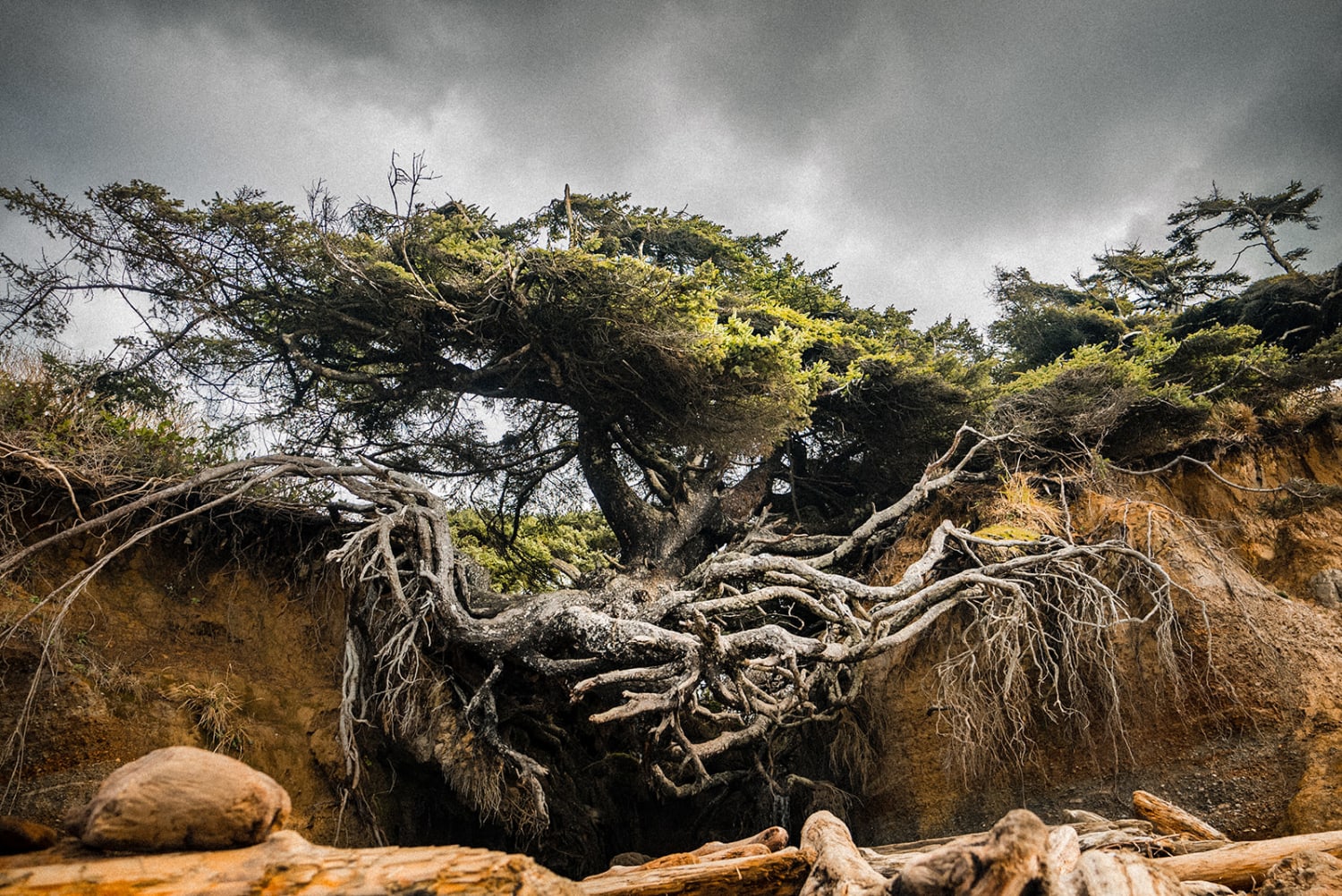
It's not a marketing label. It means I'm comfortable hiking two miles in before sunrise to position us where the light hits a sandstone arch at the right angle. It means I've scouted locations along the Pacific Coast Highway and in the red rock canyons outside New Mexico so I'm not guessing when we arrive. It means I carry my own gear over rough terrain, I don't need a second shooter to manage the logistics, and I know how to work with wind, hard midday sun, and fog — because that's what you get when you elope somewhere worth going.
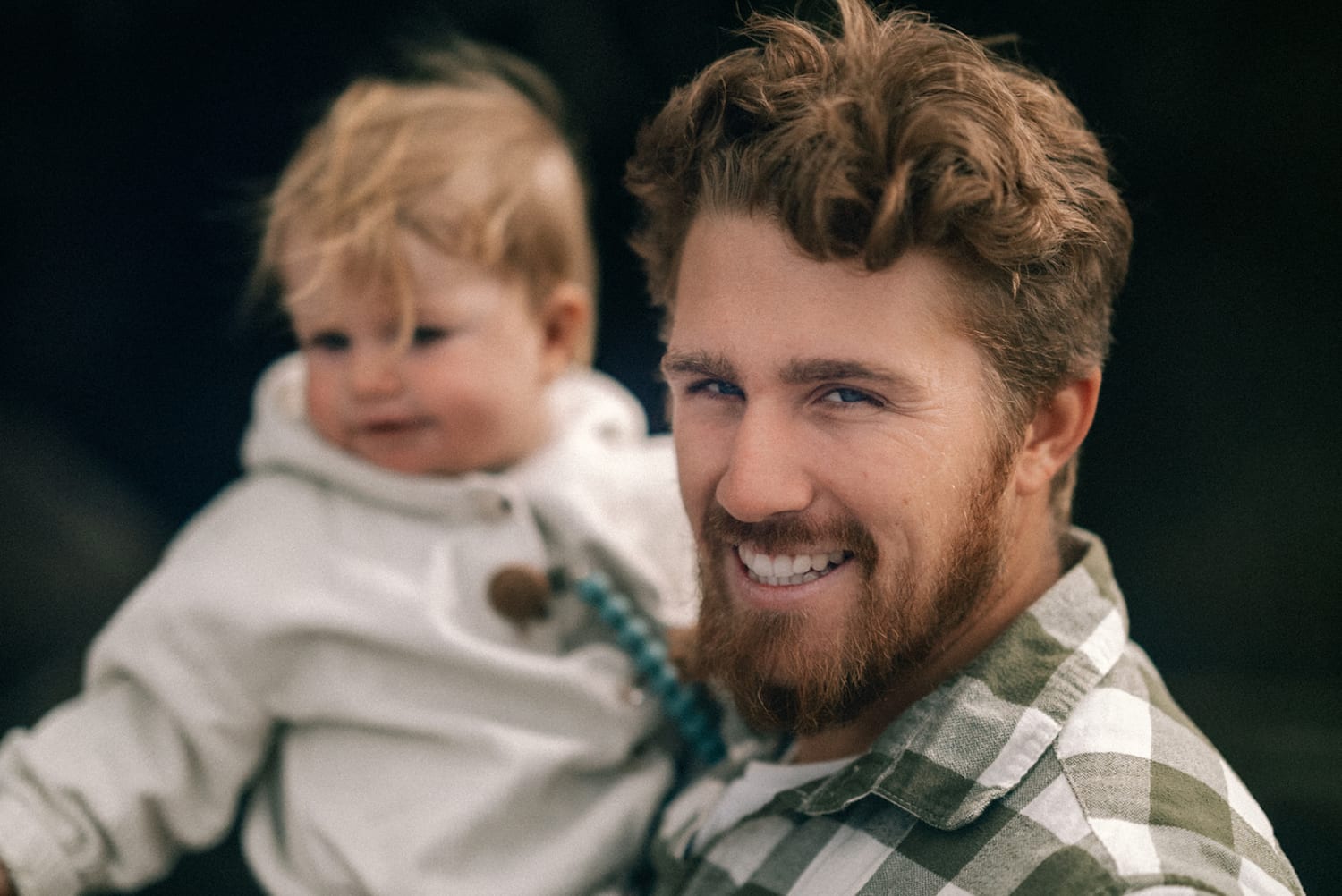
My base is Santa Fe, which puts me within striking distance of some of the most visually extreme landscapes in the American Southwest. But I regularly travel for elopements, and the coast — Oregon, Big Sur, the Outer Banks — is territory I return to every year. If your vision involves waves breaking against a cliff face while you exchange rings, I know exactly where to stand and when to be there.

Coastal Elopements: Working With the Pacific
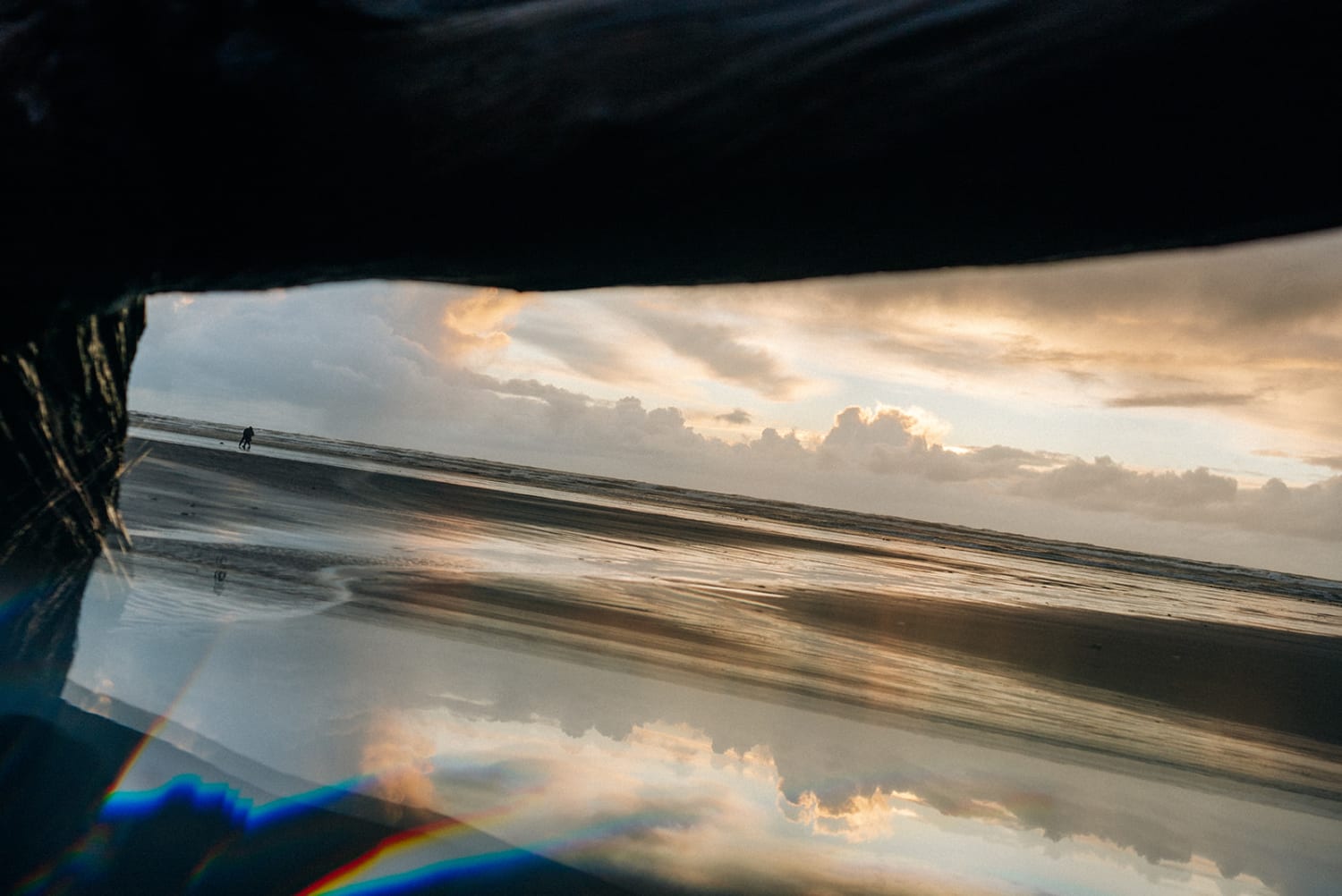
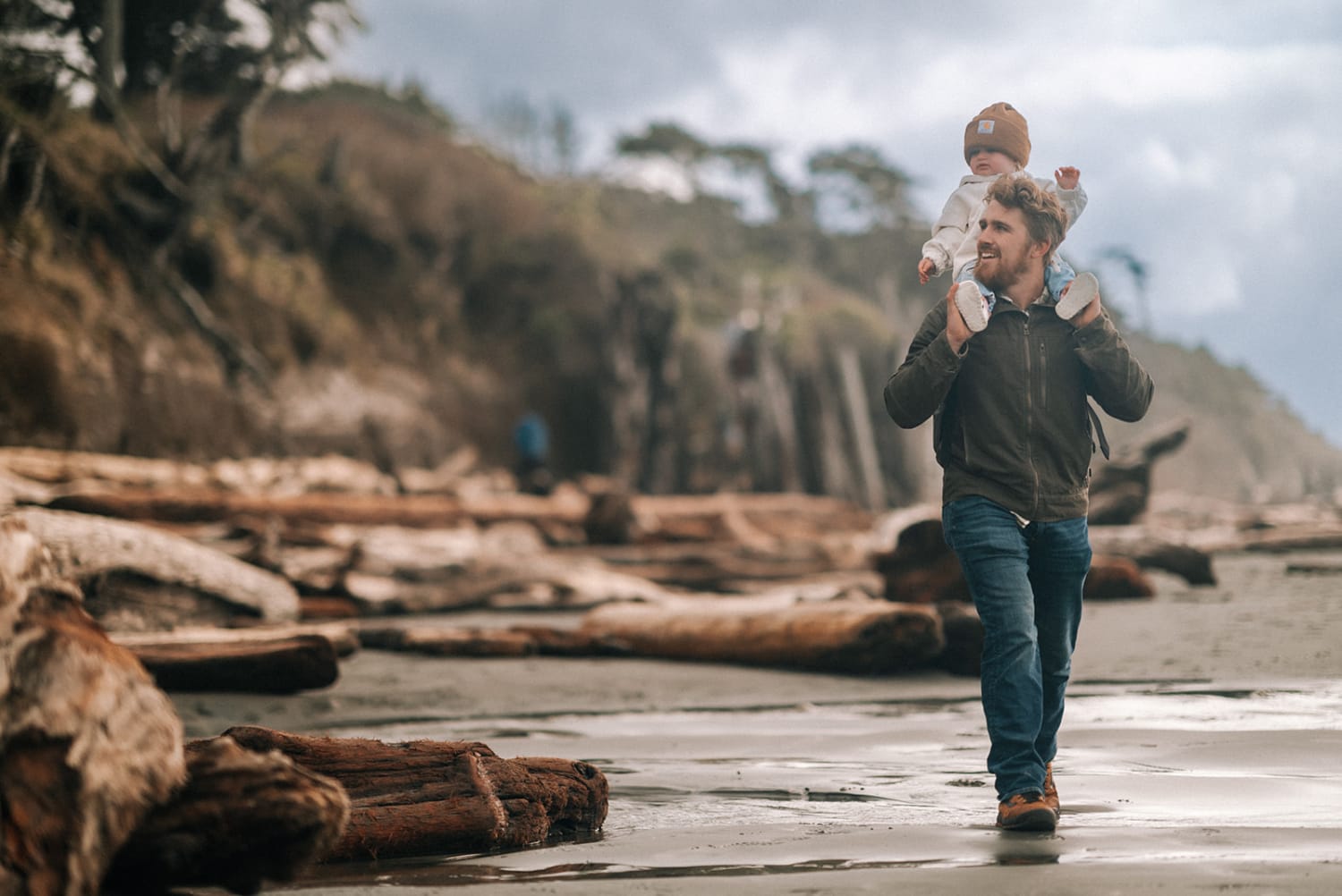
The coast is relentless and it's generous in equal measure. Fog softens everything into something cinematic. Golden hour on a cliff edge turns ordinary into editorial. But it's also unpredictable — tide schedules, permit requirements, wind that makes a veil unworkable. I plan coastal elopements with backup timing baked in, and I research every location for accessibility, legal requirements, and light behavior before I pitch it to a couple.
What I'm looking for in a coastal location: elevation change, leading lines in the rock formations, and a window of directional light that gives us at least forty-five minutes of usable conditions. I want the ocean in the frame without it overpowering the two of you. That balance — environment and people, neither swallowing the other — is what separates a travel photograph from an elopement portrait.
Desert Elopements: New Mexico and the Southwest
As a Santa Fe wedding photographer, I have an obvious advantage when it comes to desert elopements. New Mexico has more visual variety than most people expect — white gypsum dunes, volcanic badlands, ochre mesas, high desert grasslands that turn gold in October. I've photographed elopements in all of them, and each one requires a completely different approach to exposure and composition.
Desert light is harsh for about six hours a day and extraordinary for about two. I structure desert elopements around those two hours. Early morning in the dunes gives you raking sidelight and cool shadows that make texture come alive. Late afternoon on a mesa gives you warmth and depth that no studio can replicate. I'm not going to pretend the middle of the day is workable — it isn't, and any elopement photographer who doesn't mention that is setting you up for disappointment.
The logistical piece matters too. Some of the best desert locations in New Mexico require a permit, a four-wheel-drive vehicle, or both. I handle the research so you don't have to show up to a locked gate on your elopement morning.
What to Expect From the Photography
My editing style is editorial — high contrast where the landscape demands it, true-to-life skin tones, and color grading that serves the environment rather than flattening it. I'm not delivering a preset-heavy gallery that looks like it was shot anywhere. The photographs from a coastal Oregon elopement should feel different from the photographs from a New Mexico canyon elopement, because they are different. The light is different. The palette is different. I edit accordingly.
Turnaround is typically three to four weeks. You'll receive a private online gallery with full-resolution downloads. Elopement packages start at $600, with travel elopements priced based on location and session length. Most adventure elopements run two to four hours, which gives us time to move between locations and let the session breathe instead of rushing through a checklist.
If you want to see the range of environments I've worked in before reaching out, the portfolio is the right place to start. You'll get a clear sense of what I'm drawn to and how I work in both coastal and desert conditions.
Let's Plan Something Worth Photographing
As a Santa Fe wedding and elopement photographer, I bring the same editorial eye to every shoot — whether it's a wedding, an event, or a portrait session. Take a look at my portfolio to see the work.
If you've read this far, you probably already know what you want. You want the landscape to be part of the story, not just a backdrop. You want photographs that feel like the two of you actually went somewhere and did something, because you did. You want to look back at these images in twenty years and feel the wind or the heat or the salt air.
That's exactly what I'm here to do. Tell me where you're thinking, when you're planning to go, and what matters most to you about the day. We'll build the rest from there.
Get in touch with Casey Addason to start planning your adventure elopement.
