

An Ocean Shores, Washington Photographer on the Pacific's Best Light
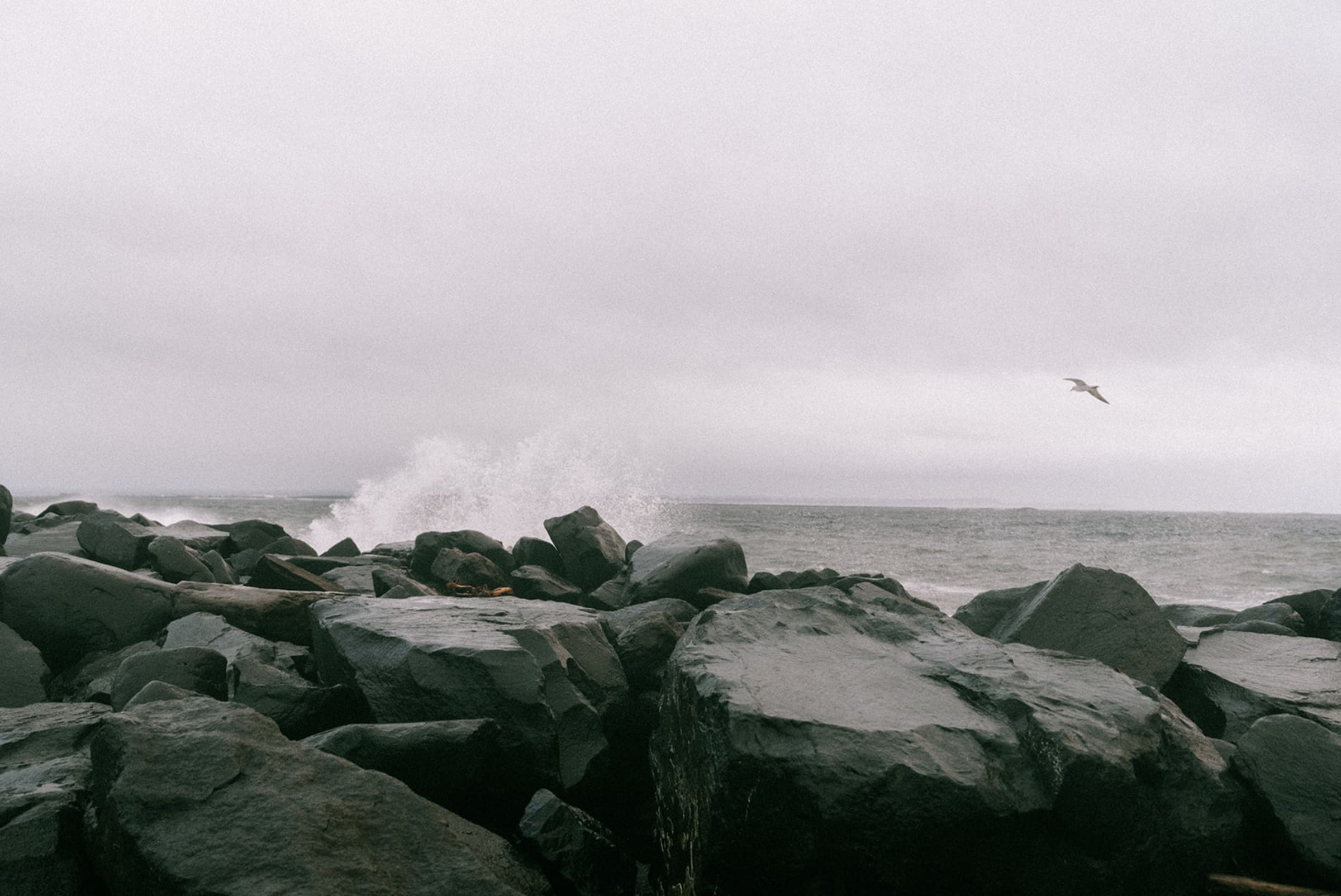
There's a particular kind of quiet that arrives on the Washington coast just before the light shifts. The Pacific doesn't announce itself the way a desert sunrise does — it arrives sideways, moving through sea mist, diffused and silver and completely its own thing. As an Ocean Shores, Washington photographer, I've come to understand that this coastline demands you slow down, stop chasing the shot you planned, and start following the light that's actually in front of you. That instinct — to read what a place is giving you and move with it — is exactly what carried this shoot from beginning to end.
Ocean Shores: A Venue That Works With You, Not Against You
Ocean Shores sits on a peninsula along the Washington coast, about two hours southwest of Seattle, and it operates entirely on its own terms. The architecture along the beachfront ranges from Pacific Northwest craftsman to weathered cedar-shake cottages, and the landscape is defined by open, wind-sculpted beach grass, tidal flats, and an horizon line that feels almost Scandinavian in its severity. There's no soft rolling hill here, no manicured English garden. What you get instead is scale — enormous sky, open water, and a sense that the world extends outward without limit.
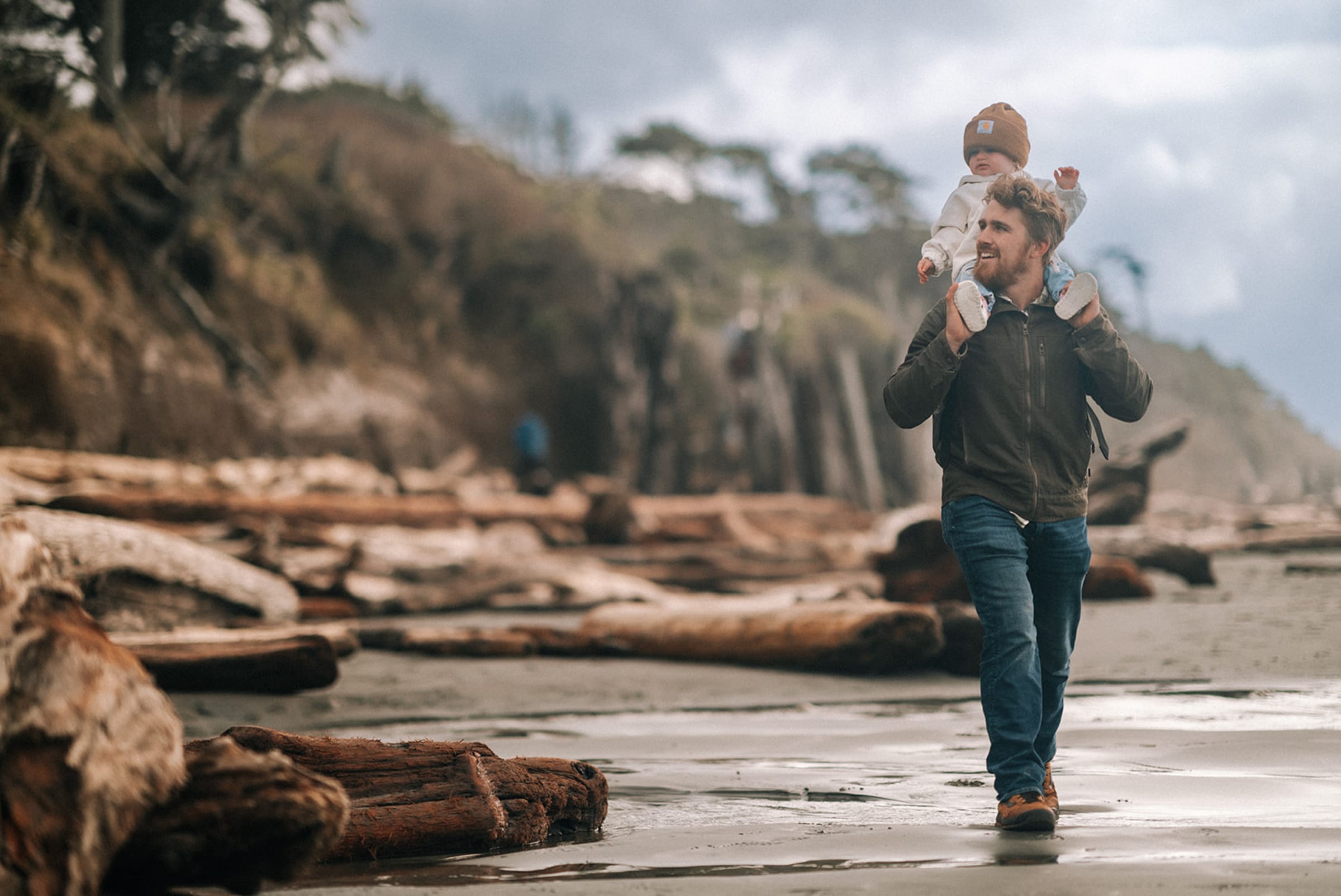
For photography, that openness is both a gift and a challenge. The light on the Washington coast moves fast and changes character entirely within minutes. When the cloud layer is thick, you're working in this gorgeous, even luminosity that flatters skin tones and kills harsh shadows. When it breaks — when a strip of blue opens above the water and the sun finds its angle — you get something genuinely cinematic: warm gold raking across wet sand, long shadows stretching behind figures, and a quality of light that you simply cannot manufacture anywhere else.

This shoot leaned into every bit of that variability. I've worked in New Mexico desert light for years — the high-altitude clarity of Santa Fe, the golden late afternoon that drapes over adobe and juniper — and the Washington coast is almost the opposite in texture. Where Santa Fe light is sharp and warm and honey-colored, Ocean Shores light is soft and cool and directional in a completely different way. Working between those two visual languages keeps my eye sharp. It keeps me from getting lazy.

Ceremony and the Art of Reading the Moment
Any ceremony held against an open coastal backdrop presents the same fundamental question: when do you step back and let the environment do the work, and when do you move in close and let the people fill the frame? I've learned the answer is almost never one or the other — it's a constant negotiation between the two.
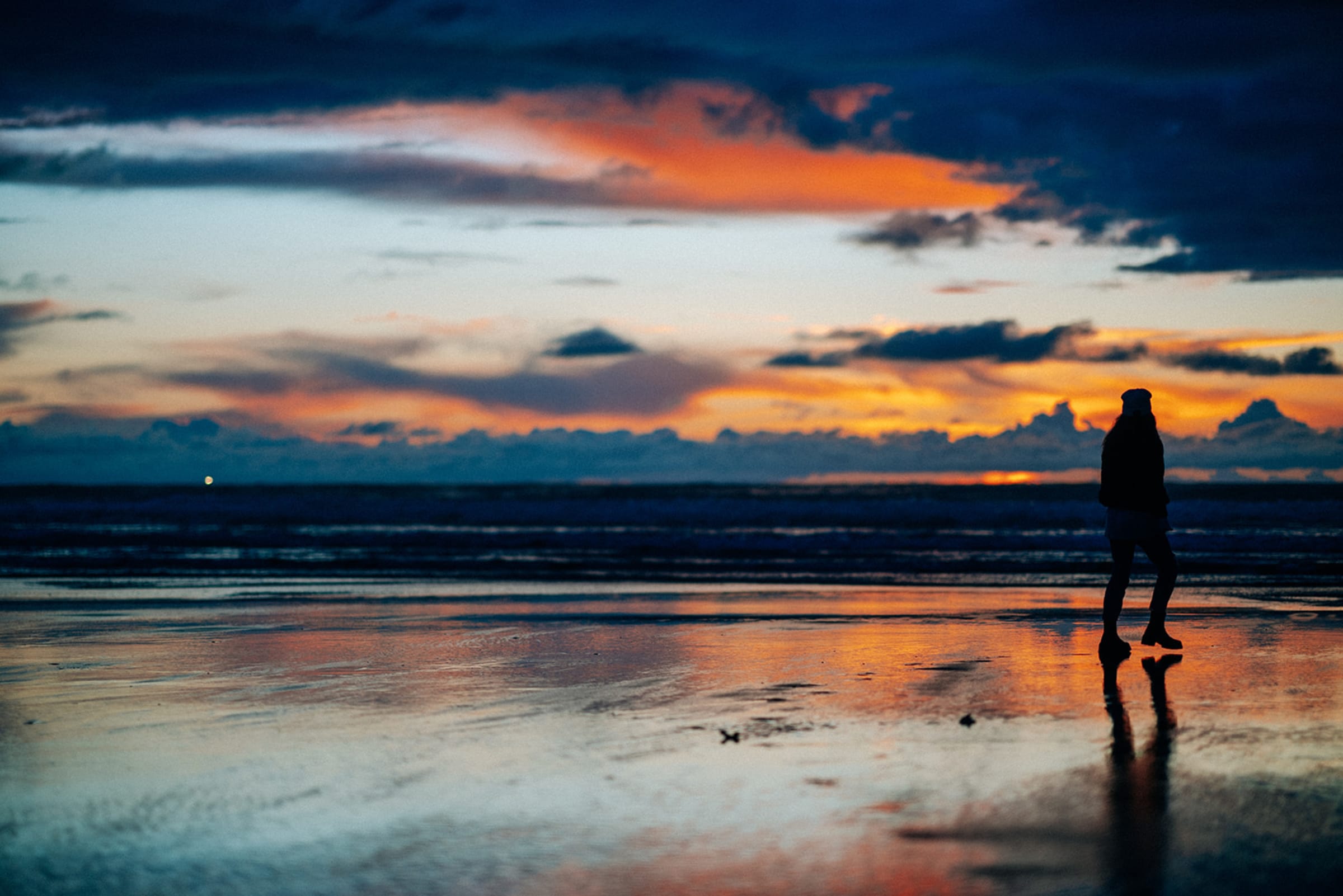
On a coastline like Ocean Shores, wide establishing frames do real work. A ceremony set against open water, with wind moving through fabric and hair, and that gray-silver Pacific stretching to the edge of the image — those frames tell a story about place. They communicate that this couple didn't choose a ballroom or a garden. They chose something wilder. But the moment itself — the actual moment of commitment — that lives in a tight frame. In the grip of a hand, the angle of a jaw, the particular way someone closes their eyes when they finally say the thing they've been building toward for months.
I move between those scales constantly during a ceremony. Wide to establish. Close to hold the moment. And I try never to let the location become more important than the people standing inside it.

Portraits: Letting the Coast Lead
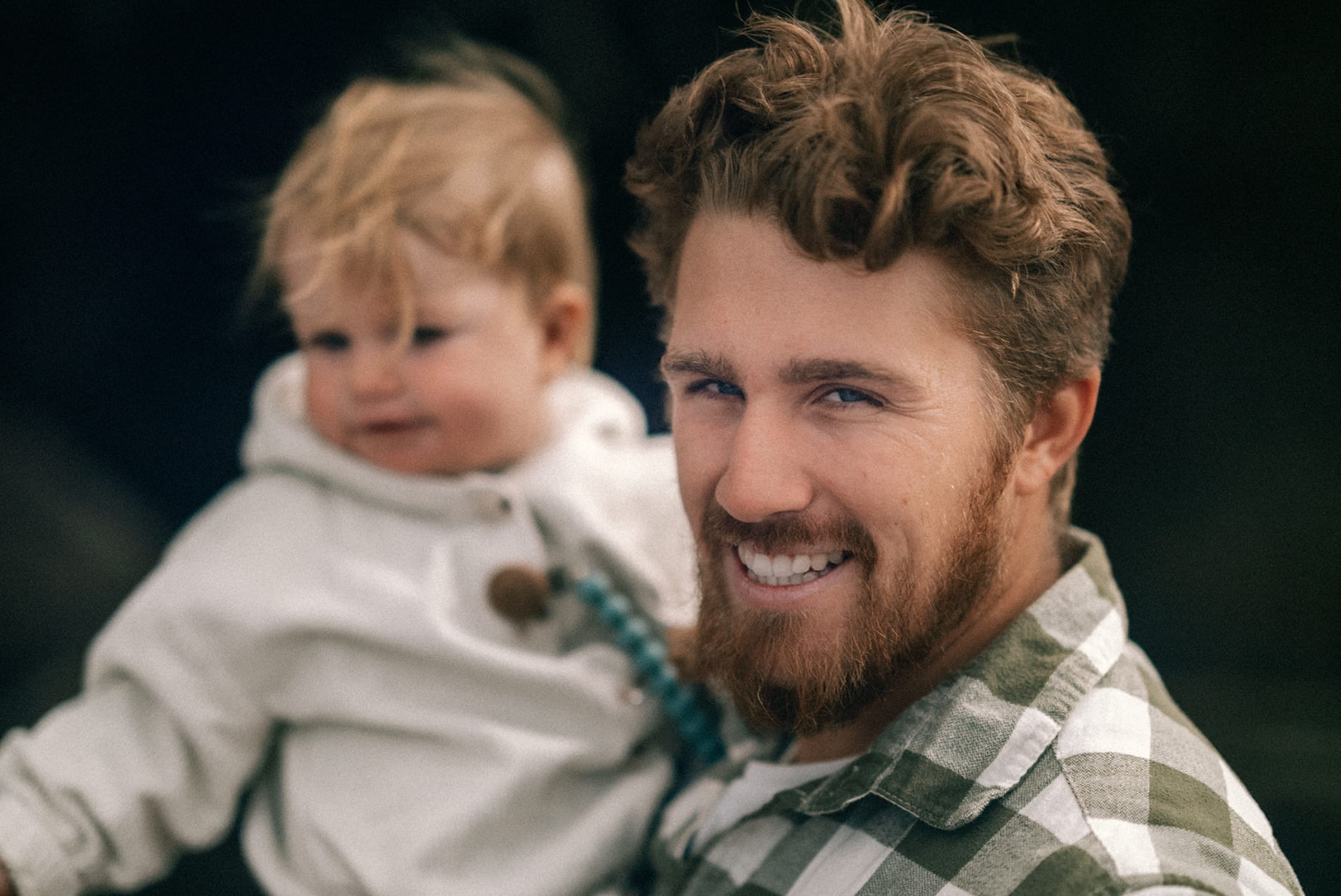
Coastal portrait sessions have their own rhythm. You're working with wind, which means hair and fabric are always in motion, which means you're making decisions about whether to wait for stillness or embrace the movement. My preference, almost always, is movement. Static portraits on an open beach rarely feel true. The coast is kinetic. The images should be, too.
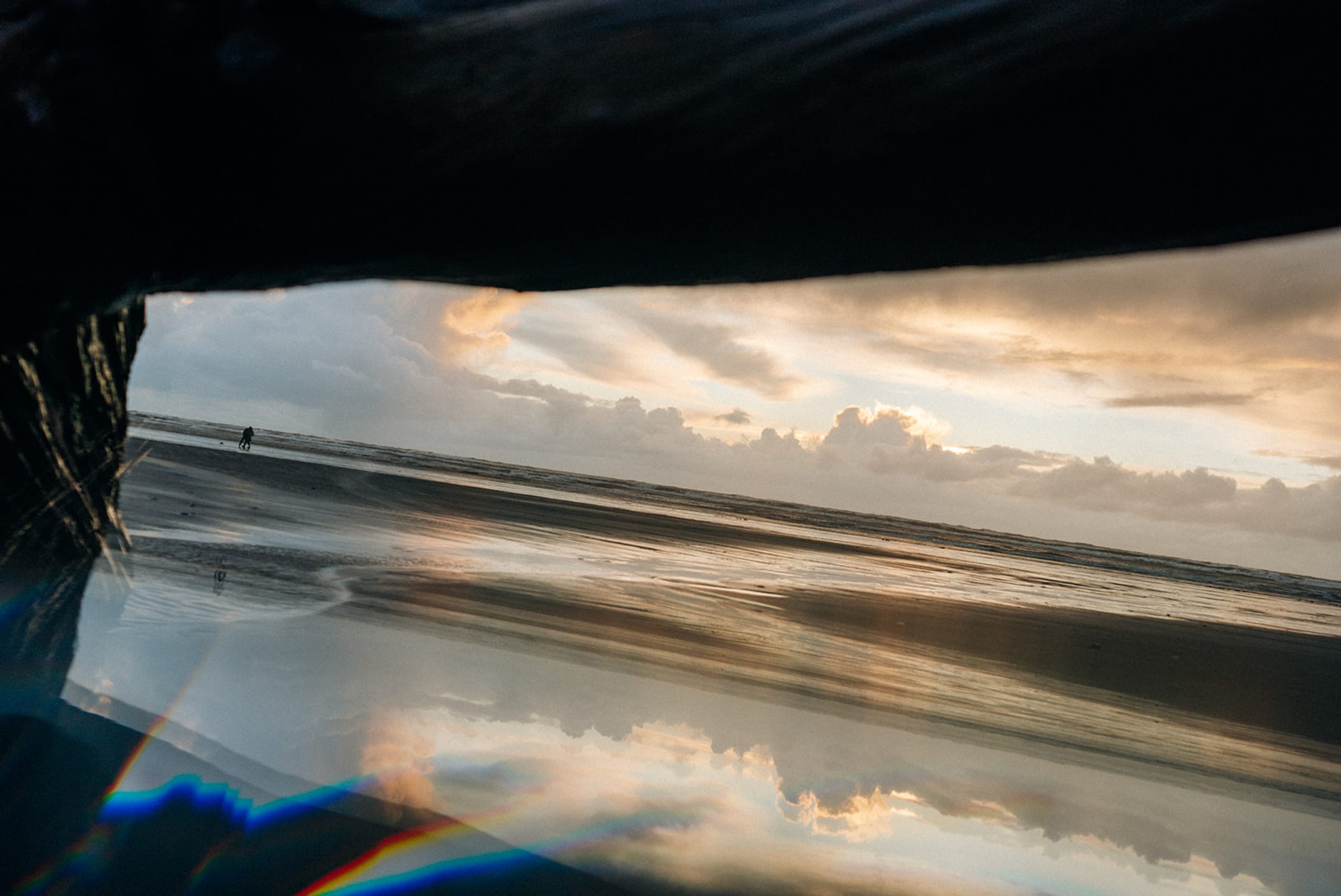
The tidal flats at Ocean Shores offer something particularly useful for portrait work: a reflective surface that doubles your available light. When the tide is out and the sand is wet, you're working with a natural mirror beneath your subjects. The sky reflects up from below, the actual sky is above, and you can position your subjects between those two planes of light and create something that looks like it required a full production crew to execute. It required, in reality, the right hour and a willingness to get your shoes wet.
I always time portrait sessions around tidal conditions on coastal shoots. It's the same principle as chasing golden hour in Santa Fe — you do the research, you know when the light is going to be at its best, and you structure the day around that window instead of trying to backfill it later.
A Note on Off-Season Coastal Shoots
March on the Washington coast is not summer. The light is low, the weather is unpredictable, and the crowds are essentially nonexistent. That last point is underrated. Ocean Shores in the off-season gives you entire stretches of beach to work with, no ambient noise from resort activity, no strangers wandering through the frame. The solitude is a production value all its own.
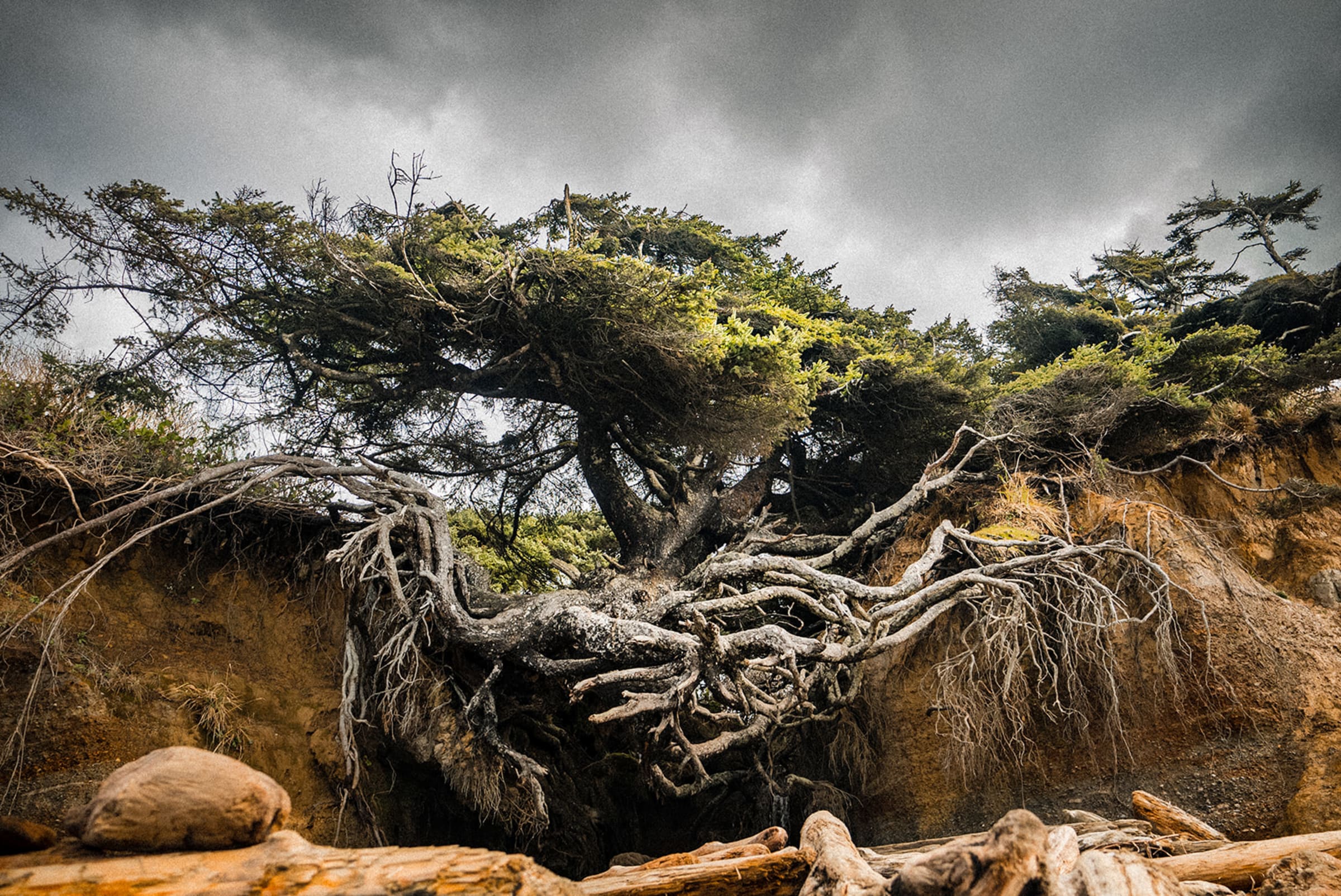
The light in March is also particularly interesting. The sun stays low on the horizon for most of the day, which means you're essentially working in extended golden-hour conditions from mid-morning onward. Where a summer shoot might offer you one golden hour at day's end, a March shoot in the Pacific Northwest gives you something close to a full golden day — cooler in temperature, softer in quality, but genuinely beautiful if you know how to use it.
If you're considering a coastal shoot — wedding, elopement, or portraits — the off-season is worth serious consideration. You lose the warmth and the long evenings. You gain the light, the solitude, and a set of images that don't look like anyone else's.

For Couples Considering Ocean Shores
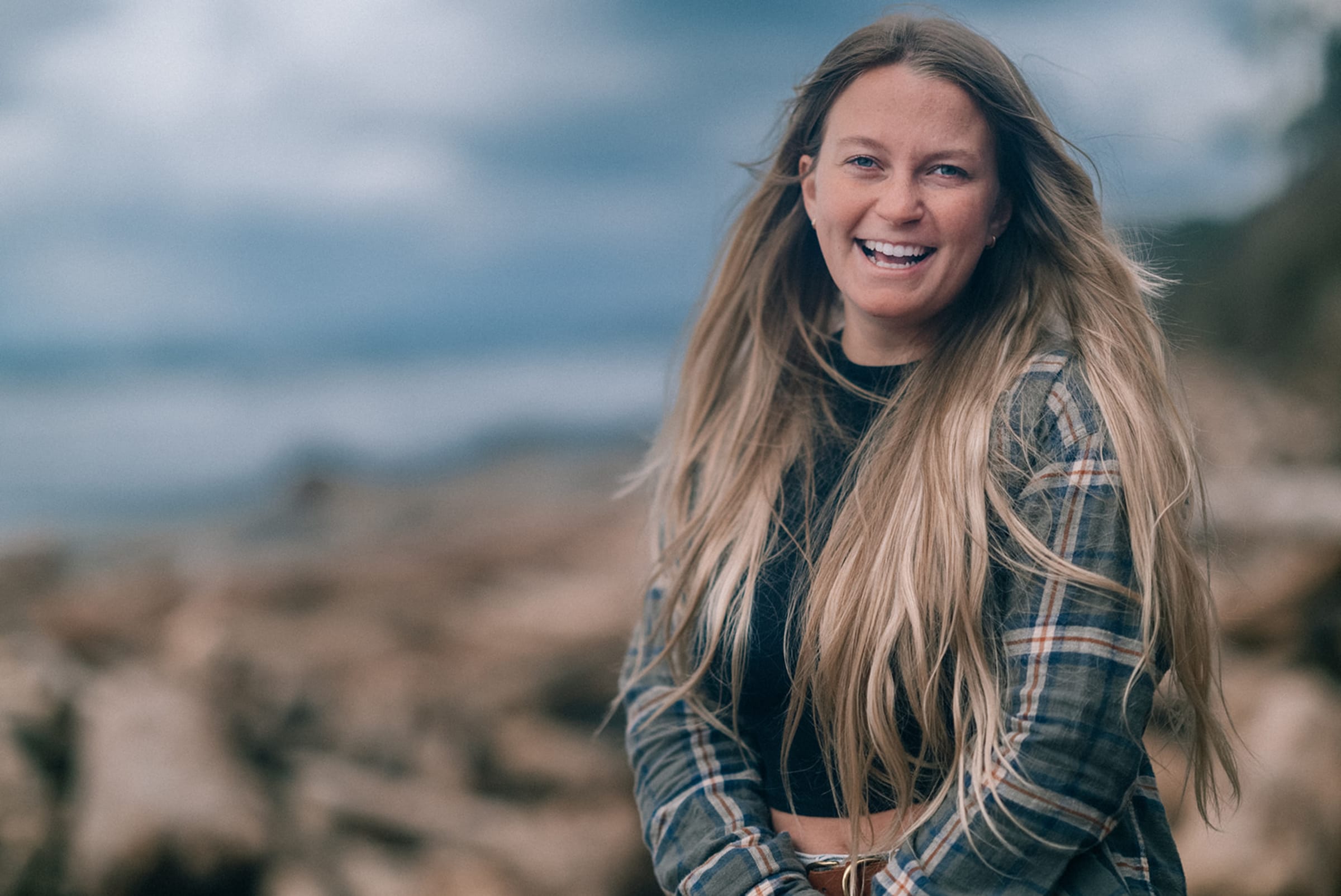
This coastline rewards couples who aren't afraid of a little unpredictability. If you need every variable locked down, a controlled indoor venue will serve you better. But if you want images that carry the actual energy of a place — wind, scale, light that you couldn't have predicted — Ocean Shores delivers that at a level very few venues can match.
I travel extensively for shoots, and the Washington coast sits in a category of locations I return to specifically because of what the environment brings to the work. The same editorial, cinematic approach I apply to luxury weddings in Santa Fe and throughout New Mexico translates completely to a coastal setting — it just speaks a different visual dialect. You can explore more of that work in my portfolio or review what a destination shoot collaboration looks like on the services page.
If you're planning a wedding or elopement in Ocean Shores — or anywhere along the Washington coast — and you want photography that's built around editorial craft, careful light reading, and images that actually look like the day felt, get in touch.
Get in touch here. Let's talk about what your day could look like.
Casey Addason is a Santa Fe wedding photographer covering weddings, elopements, and events across New Mexico — photo + video. Also serving Albuquerque and Taos. View portfolio | Contact
